




Can Yoga help with overthinking?
In Short
Understanding the Mind-Body Connection

Share :
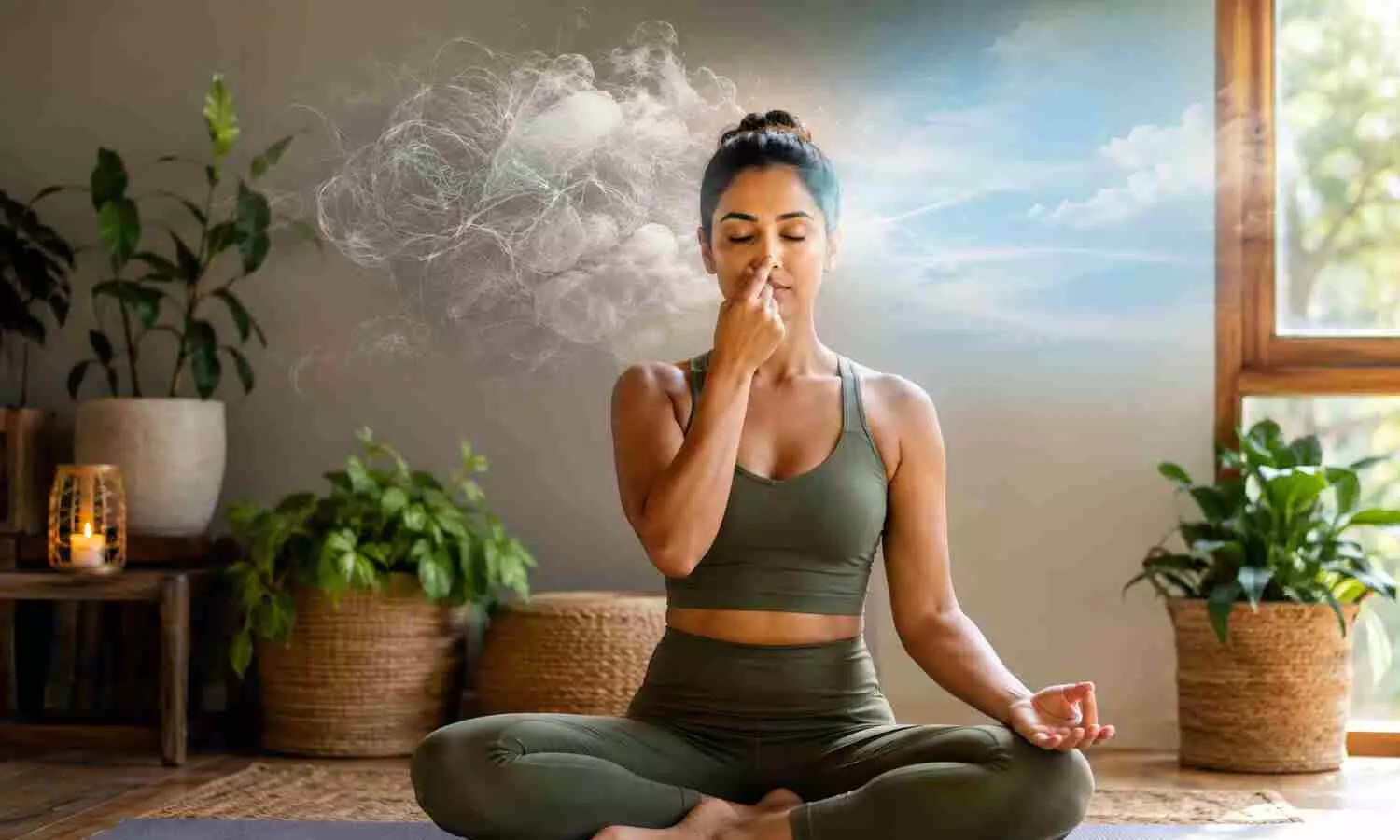
Can Yoga help with overthinking?
The human mind is capable of thinking, imagining, analyzing and creating things to an extraordinary extent. All thoughts are the ongoing activity of the mind. Developing awareness helps to bring clarity, stability and renewed balance when thoughts become repetitive or overwhelming.
Yoga offers a valuable approach to developing this awareness. Conscious breathing, mindful movement and attentive focus can reinforce the capacity for being calm, focused and present.
The simplicity and accessibility of Yoga is its beauty. Just a few minutes of focused practice can open up space for relaxation, rejuvenation, and a more harmonious mind-body relationship.
The relationship between yoga and mental clarity is an integral part of the practice. The relationship between yoga and mental clarity is an inherent part of the practice.
We are inextricably linked with our thoughts, feelings, breath and movement. As the body relaxes and the breath calms, the mind can also relax.
Yoga teaches people to become aware of these connections. Through regular practice concentration, emotional balance and a more relaxed reaction to everyday experiences can be supported.
The following 5 yoga postures provide physical stability, mental awareness and relaxation in various ways.
1.Vasisthasana (Side Plank Pose)
Practice
Start in a plank position with palms on the floor. Slowly transfer to one hand and turn side to side. Keep feet stacked or one slightly in front for support. Reach opposite arm straight up with comfortable arm position.
Benefits
Vasisthasana strengthens the body, concentrates the mind and balances the body. The posture provides a focus for attention and strengthens the arms, shoulders and core. Practices with awareness can assist in developing confidence, stability and the connection between the body and mind.
The novice can do this with the lower knee on the floor.
2. Prasarita Padottanasana (Wide-Legged Forward Bend)
Practice
Stand with a comfortable distance between your feet. Keep the spine elongated and gradually bend forward from the hips. Place hands on floor, yoga blocks or stable surface as tolerated.
Benefits
This position promotes flexibility, stability and the sense of inward awareness. The slow, forward progression allows for a more relaxed pace, to watch the breathing and to be in a calmer mental state. It can be used comfortably to promote relaxation and a sense of coolness.
3. Natarajasana (Dancer Pose)
Practice
Stand straight with your feet close together or hip-width. Place foot on one side and slowly push the opposite knee back. With the same hand grab the ankle or foot. Slowly move free arm forward and slowly move bent leg back while keeping balance. Support may be provided with a wall.
Benefits
Natarajasana promotes concentration, coordination and graceful movement. The practice of balancing the body can be done in the present moment, cultivating patience and mental stability. The position also allows for flexibility and enhances balance and stability in the body.
4. Balasana (Child’s Pose)
Practice
Start to kneel, and slowly sink hips down toward heels. Stretch out arms or keep them at the sides of the body. The forehead should be positioned down to the ground or a secure substrate and the breathing should be normal.
Benefits
The Balasana is a chance to rest and relax deeply. It is supported and comfortable, so it encourages an awareness of breathing and a release of excess muscular tension. This position can be especially useful for getting a restful break from a hectic day.
5. Padmasana (Lotus Pose)
Practice
Sitting straight with legs straight. If hips/knees are moving comfortably, gently rest each foot on the opposite thigh, without forcing the joints. Keep back long and place hands on knees. This seated position with cross legs can be used alternatively if it is comfortable.
Benefits
Traditional association of Padmasana is with meditation, concentration and inner stillness. Good sitting posture promotes awareness of breathing and focused attention. Practicing seated meditation regularly, with a sense of comfort, can help to cultivate mental clarity, patience, and an increase in self-awareness.
Creating opportunities for Yoga in everyday life.
These are only some of the reasons why yoga can be beneficial beyond the postures.
Conscious breathing can encourage clarity before an important activity, such as a few moments before you start. Sometimes a little conscious action in the day will invigorate the body. Breathing is a tool we can simply rest our awareness on and observe, and this can be a way of returning to the here and now.
Over time these can be useful routines that help to achieve a more harmonious and satisfying life. Consistency, patience and awareness are essential elements of this process. Any effort made to become more conscious helps build a healthier connection with one’s thoughts and feelings.
Conclusion: Cultivating a Calm and Balanced Mind
The mind is an incredible source of intelligence, creativeness and possibility. Yoga facilitates the person to become more aware of this potent force of human existence. By combining movement with breathing and awareness, the regular practice of yoga can help to foster a sense of focus, emotional balance, and mental clarity. Every posture is a chance to build strength in the body, and to develop more awareness. These characteristics can gradually be internalized over time and contribute to our daily life to live in peace, in confidence and harmony. A calm mind creates space for clearer thoughts, wiser decisions and a more meaningful experience of life. Yoga provides a practical way to work towards developing these qualities, breath by conscious breath.
(The writer is an author, columnist, founder: Akshar Yoga Kendraa and a spiritual leader)


