
75+ years later: Are we really equal before the law?

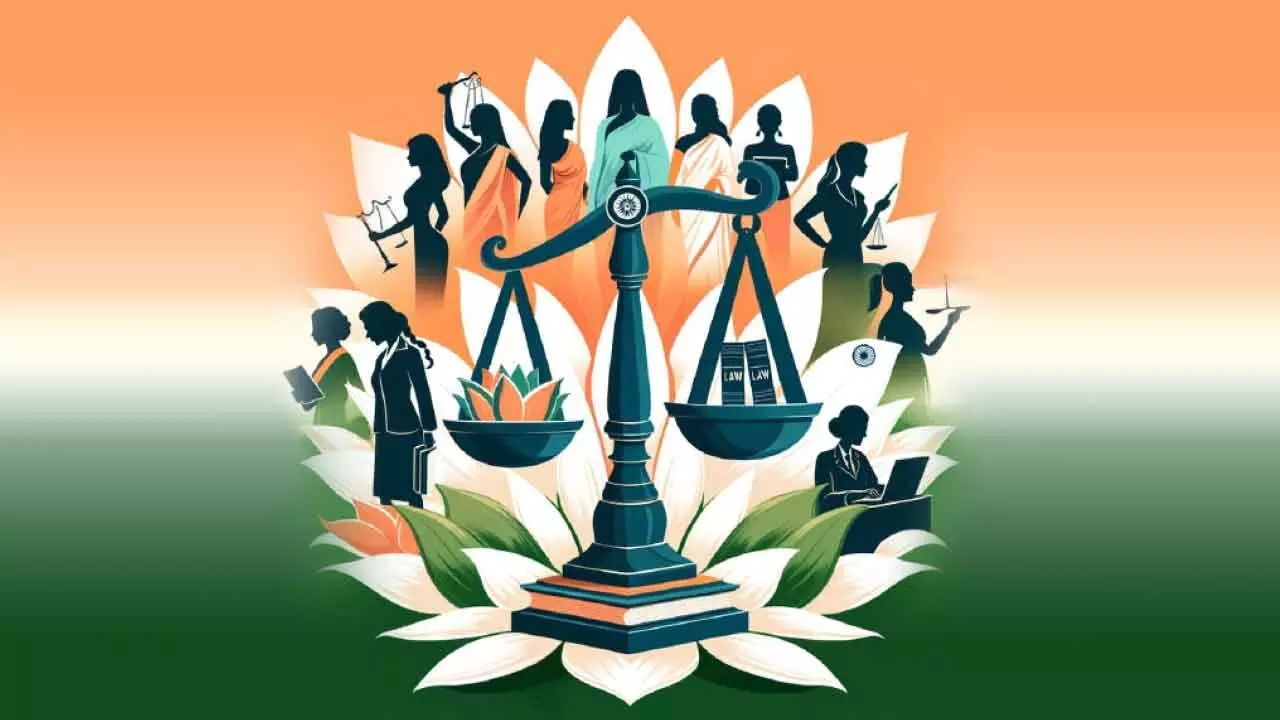
More than 75 years after equality before the law was promised, reality still tells a different story. Legal safeguards exist, but deep-rooted bias, violence, and unequal opportunities persist. The journey toward true gender equality remains unfinished—and urgently calls for action
It’s been more than 75 years since the promise of equality before the law was etched into our constitutions and global agreements. Article 14 of the Indian Constitution, for instance, guarantees “equality before the law and equal protection of the laws”. The Universal Declaration of Human Rights (1948) also enshrined that “all are equal before the law and are entitled without any discrimination to equal protection of the law”.
And yet, despite all the words and laws, let’s be honest: women are still struggling for equal footing.
The Heart of the Promise
Seventy-five years ago, the vision was bold. The law would no longer see gender, caste, or origin; it would see only people. Women would be able to learn, work, own property, participate in government, and live free from violence.
In India, key articles 14, 15, 16, 39, 42, and 51A guarantee equality, prohibit discrimination, and push for equal pay, equal opportunity, and dignity for women. Globally, treaties like CEDAW (Convention on the Elimination of All Forms of Discrimination Against Women) call for nations to end discrimination in every form.
Where the Dream Falls Short
Now, let’s step out of the legal books and into the real world 2025. Women vote, attend school, and increasingly become doctors, lawyers, scientists, and leaders. Girls are more visible in classrooms than ever before. In India, for example, female education enrolment has even surpassed that of boys in some age groups.
But scratch the surface, and the cracks are clear. Gender-based violence remains an ugly reality everywhere from homes to public spaces, far too many women still don’t feel safe. Unequal pay persists, with women continuing to earn less than men for similar work in most parts of the world. Underrepresentation is stark too women hold just 27.2% of seats in national parliaments as of 2025, an improvement, but still far from equality. In at least 24 countries, women cannot pass their citizenship to their children on an equal basis with men. And while laws may exist, patriarchy and harmful customs run deep, proving that legislation alone cannot erase ingrained biases. Being “equal before the law” only matters if it changes women’s everyday realities—but for many, the rules have shifted while the game feels frustratingly the same. This is why it still matters to talk about inequality. Progress is not the same as parity, and “almost equal” isn’t equality. As long as a woman can be denied a job for being pregnant, a girl can be pulled out of school for early marriage, a survivor can be blamed for her assault, or a working mother can be paid less for the same job, the fight for true equality remains unfinished.
What’s Next?
To truly protect women’s rights, we must keep laws evolving repealing outdated ones and pushing for new legislation that safeguards women in reality, not just in theory. This requires amplifying women’s voices everywhere: in parliament, in law enforcement, in schools, in boardrooms, on the streets, and even within homes. Real accountability is essential; laws must be enforced, not merely written, ensuring survivors and victims have easy access to justice without endless delays or blame-shifting. Most importantly, we must challenge deep-rooted mindsets so that equality becomes a lived value—embedded not only in policies and laws but also in how we think, raise our children, and support one another.
Simple Truth
“After 75 years, the law has travelled far, but women are still catching up. Let’s keep the conversation alive, not to undermine the progress, but because “almost equal” still isn’t enough.Equality before the law cannot be a ceremonial phrase—it must be a lived reality for every woman, every day. Until then, our Constitution’s promise remains a work in progress.” — Shreya Sharma (CEO and Director of Rest The Case).
A just and equal society will not be achieved until every woman feels as safe, empowered, and respected as every man. The law gave us the map. It’s up to all of us to make equality the shared destination.


