Women powering Bharat’s creative economy

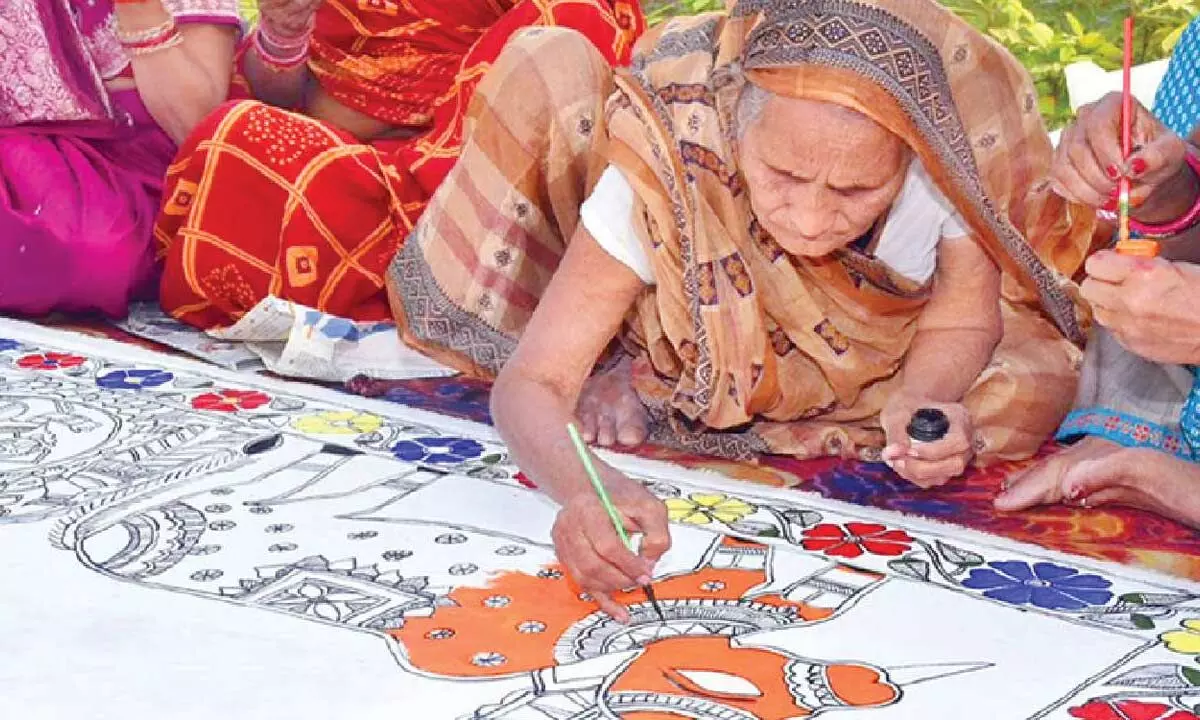
Bharat’s economic story is often narrated through technology start-ups, manufacturing growth and the expansion of services. Yet across villages and small towns, another transformation is quietly unfolding. Women are turning traditional knowledge, cultural practices and ecological wisdom into enterprises that are strengthening the country’s creative economy.
The creative economy industries built on creativity, culture and heritage includes handicrafts, handlooms, natural wellness products, traditional foods, performing arts and design-driven enterprises. What was once seen as informal household activity is now emerging as a powerful driver of livelihood generation, innovation and cultural preservation.
At the heart of this transformation are millions of women who have preserved traditions for generations and are now converting those skills into entrepreneurship.
Women at the core of Cultural Production
Across the vast cultural landscape, women have long been the custodians of artistic and traditional knowledge. Whether it is weaving textiles in the Northeast, embroidery in Gujarat, Madhubani painting in Bihar, pottery in Rajasthan or herbal preparations in Janjati (tribal) communities, women have ensured the continuity of these traditions.
Official data reflects the scale of their contribution. According to the Ministry of Textiles, Bharat’s handicrafts sector employs more than 7 million artisans, and over 56 percent of them are women. The participation of women is even stronger in the handloom sector, where nearly 71 percent of weavers are women.
The country hosts more than 744 handicraft clusters producing over 35,000 product varieties, ranging from textiles and jewellery to eco-friendly lifestyle goods. Because many of these activities are home-based, they provide an accessible pathway for women to engage in entrepreneurship while remaining within their communities.
As global markets increasingly appreciate handmade, sustainable and culturally rooted products, these traditional skills are gaining renewed economic value.
Collective Enterprises Empowering Women
One of the strongest drivers of women’s participation in the creative economy has been collective entrepreneurship.
Many organisations have demonstrated how women artisans can transform traditional skills into organised economic activity. Through cooperatives, training and access to finance, thousands of women have built sustainable craft enterprises while retaining control over their cultural knowledge.
Self-help groups across the country are also expanding creative production. These networks enable women to pool resources, share production infrastructure and reach larger markets. In Maharashtra’s Nagpur district alone, nearly 17,000 women self-help groups produce crafts, food products and rural goods, illustrating the growing scale of women-led micro-enterprises.
Such collective models not only generate income but also strengthen confidence and leadership among women entrepreneurs.
Household Skills Becoming National Enterprises
The country’s creative economy offers inspiring examples where traditional household skills have evolved into large-scale enterprises.
A remarkable example is Shri Mahila Griha Udyog Lijjat Papad, founded in Mumbai in 1959 by seven women with just ₹80. What began as a small kitchen activity has grown into one of India’s most recognised food brands, employing tens of thousands of women across the country.
Operating through a decentralised structure, Lijjat enables women to produce papads from their homes while sharing ownership of the brand.
This success story illustrates how simple cultural skills, when supported by collective entrepreneurship, can evolve into nationally respected enterprises.
Reviving Traditional Crafts and Ecological Knowledge
Across rural and Janjatis, women are leading the revival of traditional crafts that celebrate local ecological knowledge.
In Bihar’s West Champaran district, more than 200 janjati women have revived the traditional Sikki grass craft, producing decorative and utility items that are now reaching urban markets and craft exhibitions.
Similarly, forest-based communities are building enterprises around natural honey, herbal wellness products and eco-friendly leaf-based tableware.
These initiatives show how the creative economy can generate livelihoods while encouraging environmentally responsible production.
Panchgavya Entrepreneurship and the Rise of Panchaura
A promising new dimension of creative economy is emerging through Panchgavya-based entrepreneurship, where traditional knowledge related to indigenous cows is transformed into sustainable products and services. Across several rural initiatives, women are creating products such as natural incense sticks, organic fertilisers, herbal wellness items and eco-friendly lifestyle goods derived from cow-based resources.
One innovative example is Panchaura, a creative enterprise that blends traditional Panchgavya knowledge with contemporary design. Through Panchaura, women artisans are trained to produce handcrafted jewellery made from purified and processed cow dung, transforming a natural resource into elegant eco-friendly accessories.
This initiative reflects a powerful idea of the new economy i.e. creativity rooted in tradition. Women artisans are producing unique products and also delivering creative services such as sustainability workshops, Panchgavya awareness sessions and experiential learning programs connected with indigenous cow culture.
Such initiatives are creating a niche segment within the global sustainable lifestyle market. Consumers around the world increasingly value products that are natural, ethical and culturally meaningful.
By combining ecological wisdom, design innovation and entrepreneurship, initiatives like Panchaura demonstrate how women can transform traditional resources into high-value creative enterprises.
Digital Platforms Expanding Opportunities
Technology is further strengthening women’s participation in the creative economy.
In earlier decades, artisans often depended on middlemen who purchased their products at minimal prices. Today, digital platforms are opening direct connections between producers and consumers.
Through smartphones and social media platforms, women entrepreneurs can showcase products, build brand identity and receive digital payments. Online marketplaces allow even rural artisans to reach national and international buyers.
This digital shift is empowering women to capture greater value from their creative work.
Sector with Global Demand
Bharat’s creative industriesare also gaining strong international recognition.
Industry estimates indicate that Bharat exported handicrafts worth more than ₹32,700 crore in 2023–24, highlighting the global demand for handmade and culturally rooted products.
International consumers increasingly seek products that combine craftsmanship, sustainability and authentic cultural stories with qualities deeply embedded in the country’s creative traditions.
Women artisans therefore play a crucial role not only in preserving heritage but also in strengthening cultural exports.
Creativity as a Pathway to Inclusive Growth
Perhaps the most powerful aspect of the creative economy is its ability to generate inclusive development.
Unlike capital-intensive industries, creative enterprises rely primarily on skills, knowledge and cultural assets that communities already possess.
When women participate in these enterprises, the benefits extend far beyond income. Families gain economic stability, communities experience social empowerment and cultural traditions continue to thrive.
Bharat’s creative economy therefore represents more than a cultural sector. It is a dynamic space where tradition, sustainability and entrepreneurship come together.
And as women continue to transform heritage into innovation from craft clusters to Panchgavya enterprises like Panchaura they are shaping a future where cultural richness becomes a vibrant engine of economic growth.
(The writer is a Creative Economy Expert)