The Mirror and the Light: Critical Essays on Indian Writing in English
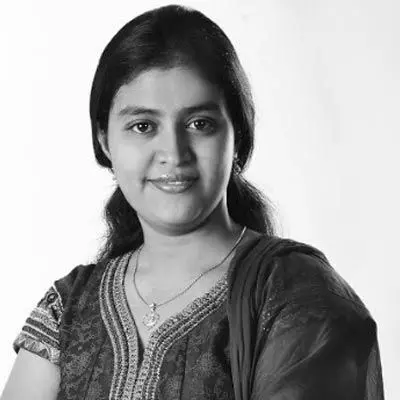
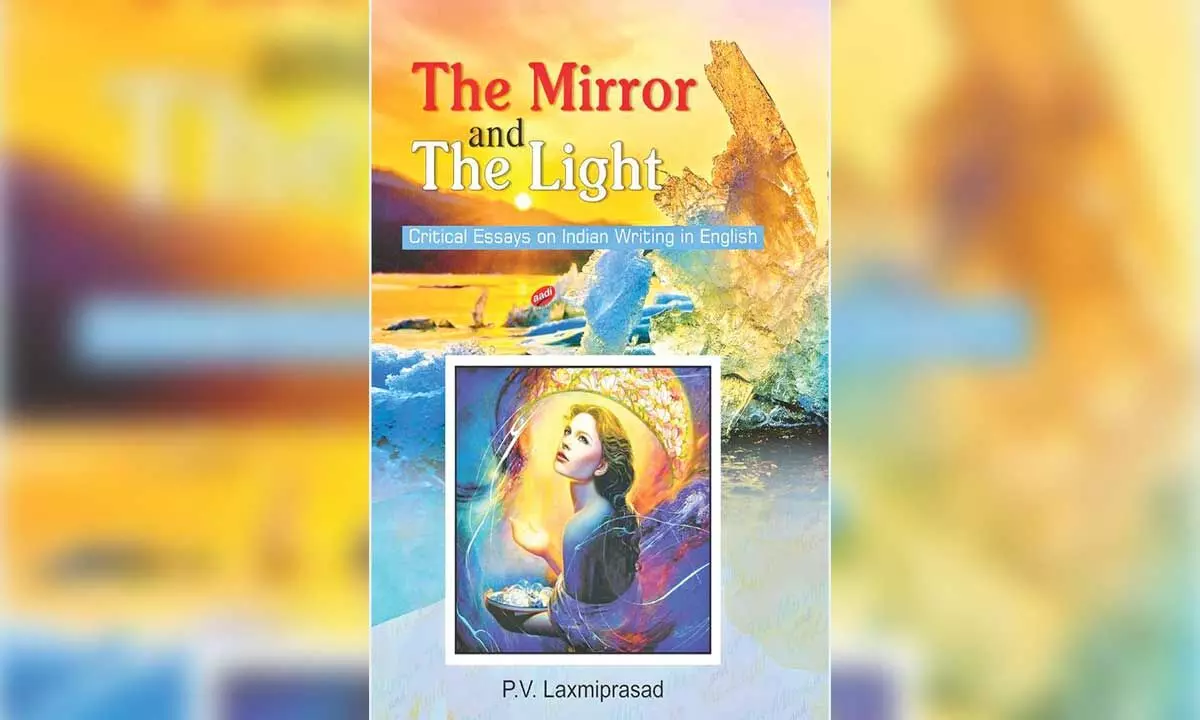
Dr. P V Laxmiprasad’s latest work stands as a luminous contribution to contemporary literary criticism. Bridging generations of Indian English writers, the book reconnects readers with the evolving soul of Indian literature. Rich in insight and scholarship, it revisits tradition while engaging powerfully with modern literary voices
In ‘The Mirror and the Light: Critical Essays on Indian Writing in English’, Dr. P. V. Laxmiprasad emerges not only as a perceptive critic but also as a chronicler of India’s literary consciousness. Bringing together twenty-six essays, the volume spans the vast canvas of Indian Writing in English—its history, its contemporary currents, and its unfolding future.
The book opens with a heartfelt tribute to two foundational figures, Prof. K. R. Srinivasa Iyengar and Prof. C. D. Narasimhaiah. In acknowledging these pioneers, Laxmiprasad situates his work within a proud critical lineage while extending it meaningfully into the twenty-first century. His preface reflects a long and deep engagement with Indian English literature, from legendary figures like Raja Rao, R. K. Narayan, and Mulk Raj Anand to the modern voices shaping the current landscape.
Organised thematically, the essays reveal an impressive breadth of critical vision. His exploration of T. V. Reddy’s poetry is a striking example—an evocative study of the poet’s bucolic imagination and the rarely analysed rural landscapes of Indian English verse. Laxmiprasad highlights Reddy’s gift for transforming the rhythms of village life into contemplative, lyrical poetry that mirrors the nation’s moral core.
Equally compelling are his essays on P. C. K. Prem’s philosophical terrain, D. C. Chambial’s symbolic poetics, and K. V. Raghupathi’s eco-critical reflections. His engagement with Amitav Ghosh’s The Great Derangement expands his inquiry into global ecological concerns, placing Indian English writing within an urgent environmental discourse.
One of the finest qualities of Laxmiprasad’s critical method is the harmony he sustains between intellectual rigour and empathy. His writing is scholarly yet inviting, analytical yet never austere. Each essay feels like an act of rediscovery—an attempt to interpret the Indian psyche through literature with clarity, sensitivity, and cultural rootedness.
His nuanced understanding of regional and cultural textures shines brightly in his readings of Basavaraj Naikar’s fiction. Whether examining the spirited heroism in The Queen of Kittur or the themes of renunciation and harmony in Light in the House, he probes the ethical and emotional depth embedded in Naikar’s narratives. His analysis of Tagore’s Home and the World and Mahesh Dattani’s Final Solutions is equally grounded in socio-political insight, underscoring literature’s role as both a mirror and a critique of society.
Running through the entire volume is Laxmiprasad’s commitment to what he beautifully describes as the “Indianness of imagination.” His essays affirm that Indian Writing in English is not a vestige of colonial continuity but a vibrant articulation of Indian sensibility. His scholarship honours the tradition of Iyengar and Narasimhaiah while embracing the emerging voices of postcolonial India.
If the book’s density of references may challenge casual readers, it is this very comprehensiveness that makes ‘The Mirror and the Light’ an invaluable resource. For students, scholars, and lovers of Indian literature, it stands as a testament to criticism as a creative, sustaining force—one that preserves, interprets, and enriches India’s literary heritage.
Insightful, elegant, and deeply rooted in Indian cultural consciousness, this compendium of essays weaves together the past and present of Indian Writing in English with scholarly finesse and enduring sensitivity.