SBI Youth for India fellowship – Bridging urban youth with rural development

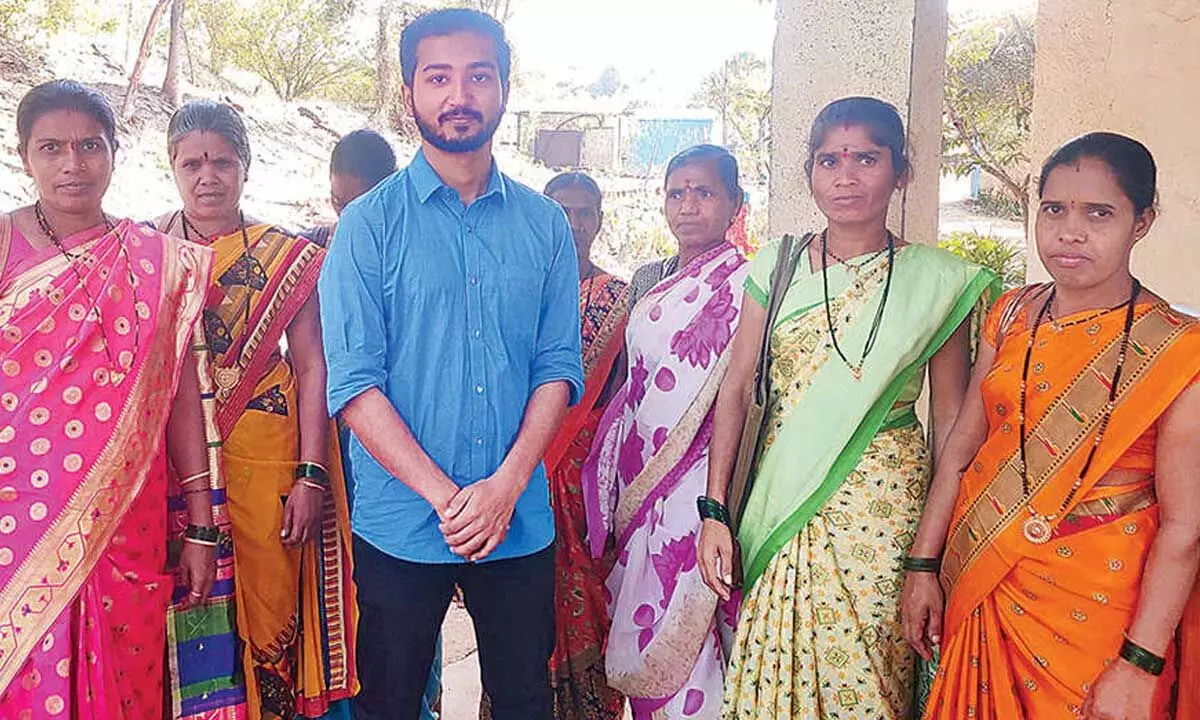
The SBI Youth for India Fellowship, launched by the SBI Foundation in 2011, has emerged as one of the country’s most impactful initiatives connecting urban youth with rural communities. Designed as a 13-month immersive program, it enables graduates and professionals to live and work in villages, addressing grassroots challenges while developing leadership and problem-solving skills. With over 700 alumni and projects spanning livelihood, education, environment, and women’s empowerment, the fellowship has become a bridge between India’s urban resources and rural aspirations. In conversation with The Hans India, Jagannath Sahoo, President & CEO of SBI Foundation, speaks about the mission, training, and transformative projects that fellows undertake. He highlights how the program nurtures reflective individuals, revives traditional practices, and sustains development through alumni engagement. From millet-based enterprises in Maharashtra to conservation efforts in Nagaland, the fellowship continues to inspire a generation of change-makers committed to rural progress.
Could you begin by explaining the core purpose of the SBI Youth for India Fellowship?
The fellowship is a 13-month immersive journey designed primarily for urban youth to work in rural communities. The idea is to empower these fellows—whom we call change-makers—to challenge the status quo and provide innovative solutions to rural challenges. It’s not only about contributing to community development, but also about shaping reflective individuals who can make meaningful contributions in the long run.
How does the fellowship act as a bridge between urban and rural India?
Urban areas are relatively developed, with access to facilities and resources, while rural regions face significant gaps. Through this fellowship, we inject urban youth into rural contexts, creating a bridge between the two. Since its inception in 2011, we have built a strong alumni base of over 700 fellows who continue to engage in rural development even after completing their fellowship.
What kind of participants join the program? Is it limited to undergraduates?
Not at all. The fellowship is open to graduates as well as working professionals from diverse sectors. Fellows spend 13 months in rural areas under the mentorship of our 15 NGO partners. It’s a two-way process: they contribute to community growth while also enhancing their own skills, such as leadership, problem-solving, and management. Many fellows later apply these grassroots insights to corporate or government policy levels.
What training do fellows receive before entering the field?
Selection is rigorous, involving NGOs, experts, and the SBI Foundation team. Fellows are inducted in two cohorts—August and October. Before deployment, they undergo a 10- to 15-day orientation program where they interact with NGOs, sector experts, and alumni. They learn about ground realities, expectations, and project design. After orientation, fellows choose their domain and location, and NGOs provide further handholding. Within a month or two, they identify grassroots problems and design projects to address them.
Could you share some transformative projects initiated by fellows?
Certainly.
• In Jawahar, Maharashtra, fellow Nishant Kumar Singh helped local women scale millet-based food processing into a social enterprise producing superfoods.
• In Nagaland, a fellow established a foundation for community conservation, supporting coffee cultivation and eco-tourism.
• Fellow Kavya Menon launched the Ecofeminist Foundation, focusing on workplace safety and gender justice.
These are just a few examples from our 700-strong alumni network.
What is the gender profile of the fellowship?
Interestingly, more than 60% of our fellows are women. They come from diverse academic backgrounds—engineering, law, social sciences, commerce, and education.
Are traditional practices and indigenous knowledge also part of the fellowship’s focus?
Yes. Many fellows work on reviving traditional crops, promoting climate-resilient farming, and reducing chemical use through organic practices. For instance, one fellow in Madhya Pradesh revived mud-house construction using local techniques, which even gained support from the local administration. Similarly, millet revival and afforestation with native species are key initiatives.
Has the fellowship beenextended to border states?
Absolutely. Beyond Youth for India, SBI Foundation runs projects in border villages. For example, under our Vibrant School Project, we upgraded infrastructure in over 90 villages along international borders—building smart classrooms and science labs. This aligns with the Government of India’s Vibrant Village concept.
What are the major verticals of SBI Foundation?
We operate across nine verticals: health, women empowerment, sports, education, livelihood, environment, village development, children’s welfare (under women & child), and a Centre of Excellence for Persons with Disabilities (PWD).
What support does SBI Foundation provide to fellows during and after the program?
We focus on career transition, counselling, and psychological support through platforms like Let’s Talk. Fellows can access grants of up to ₹1 lakh for community projects during the fellowship. Post completion, some receive seed funding for social ventures. Many fellows also form self-help groups (SHGs) to sustain their initiatives.
What message would you like to share about the fellowship?
The SBI Youth for India Fellowship is unique because it allows urban youth to implement their ideas in rural contexts with flexibility and innovation. With over 200 ongoing projects and 400 completed ones, we are keen to highlight the fellowship’s role in shaping leaders who remain committed to development long after their 13-month journey ends.