Forgotten bonds: How we got disconnected

For centuries, Bharatiyatha fostered a sacred bond between humans, animals, and the divine, blending symbolism with ecological responsibility. Tribal traditions, rituals, and philosophy encoded a deep respect for nature and its creatures. Today, this harmonious connection is fading, leaving a spiritual and ecological void
For centuries, Bharatiyatha nurtured an inseparable bond between humans, animals, and the divine. This connection was symbolic and ecological. In essence, establishing responsibilities, reverence, and coexistence. Janjatiya traditions, folk practices, and mainstream philosophy all reflected this deep relationship. Every janjati, deity, and ritual encoded ecological ethics in the form of animal associations. Yet, in the modern world, this framework of attachment has weakened, leaving a disconnect between human life and nature.
In the ‘Harry Potter’ film series — which has a cumulative worldwide box office gross of over $7.7 billion — animals play vital roles in performing magic. From use of phoenix feather wands, dragon heartstrings, or unicorn hair; to potions that need rare animal parts; to owls delivering messages; and creatures like hippogriffs, basilisks, and patronus animals embodying magical power.
Animal companionship in ‘Harry Potter’ symbolizes loyalty, guidance, and magical strength. Creatures embody wisdom, protection, and emotional support, showing that harmony with nature enhances magical power and responsibility.
Responsibility through Kinship
Among Janjatis, gothras or clan names often derive from animals, birds, or natural elements. A person belonging to a particular animal-gothra is bound to protect that species throughout their life.
For instance, The Gonds (Madhya Pradesh and Chhattisgarh) follow clan divisions such as Nagvanshi (cobra lineage) or Hedau (hedgehog). Members of each clan revere their animal and maintain strict taboos against killing or eating it. The Santhals (Jharkhand, Odisha, West Bengal): Their clan names like Hansda (goose), Murmu (Nilgai), Soren (kite bird) are directly tied to animals. An elder of the Murmu clan once explained: “The Nilgai is my brother; if he vanishes, so will we.” The Toda (Nilgiris, Tamil Nadu) clans have buffalo-centric rituals. For them, the buffalo is a livelihood but kin, and harming one is considered a sin.
These clan systems ensured that every janjati became a protector of biodiversity, long before conservation became a global policy term.
Forgotten Karana Devatha
In Bharatiyatha, families and individuals worship Karana Devatha, a guardian deity often symbolized in animal form. This practice underscored that humans must remain close to their protector, learning respect and harmony from them.
Lately the Karana Devatha (God/Goddess) is forgotten, the foreign calendars have dominated the lifestyle with a limited contribution to the self, family, organisation and nation.
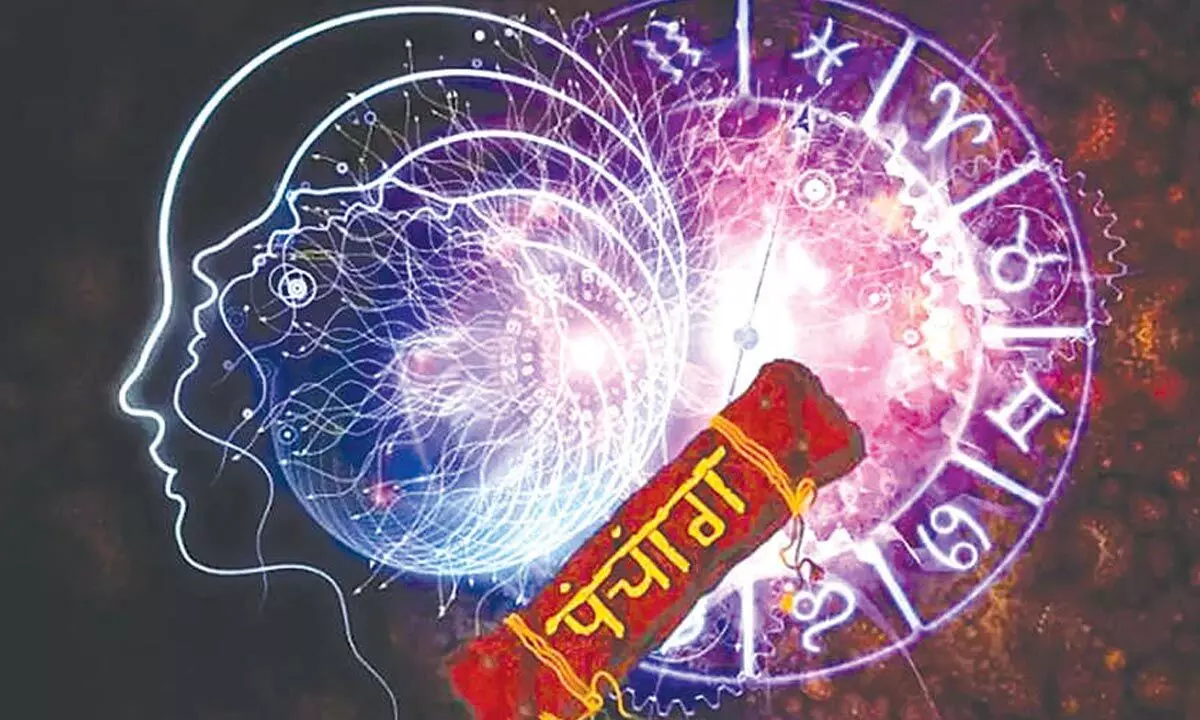
If we decode Panchang/Panchagam, the name itself indicates that Pancha is five and Anga is limbs. Panchanga concerns five elements of time division: Vara (weekday), tithi (date), Nakshatram (star), Yoga (time period), Karana (half of tithi).
Karana is based on the lunar day of tithi, there are 30 days in a lunar month, it comes to 60 karanas in a month. So, to understand Karana is half of a tithi. The Karana completes when the difference between the location of sun and moon crosses a multiple of 6 degrees.
There are eleven Karanas, among them are four fixed and seven variable karanas. Karanas are assigned with names of animals. It is said that one should please their Karana Devatha and stay in close proximity if possible or contribute for their wellbeing. The Karanas are Bava (Lion), Baklava (Tiger), Kaulava (Pig), Taitila (Donkey), Gara (Elephant), Vanij (Cow), Vishti or Bhadra (Hen), Shakuni (Crow), Chaturshpad (Dog), Naga (Snake) and Kistughan (Moth).
The zodiac signs are also resembled with animals — Leo (lion), Capricorn (sea goat), Aries (sheep’s head), Pisces (fish), Taurus (bull), Scorpio, Cancer (crab).
The Vahana Tradition
Every god or goddess is accompanied by a vahana (vehicle), which is almost always an animal or bird. Shiva’s bull Nandi, Vishnu’s eagle Garuda, Durga’s lion, Ganesha’s mouse, and Saraswati’s swan all symbolize specific attributes and ecological ties.
Even the Navagrahas are prayed along with their vahanas: Sun god on a chariot with seven horses, Jupiter with elephant, Shukra with horse, Ketu with serpent, and so on.
Thus, venerating a deity’s vahana was never ritualistic alone; it was a reminder of the sacred role of animals in the cosmic order.
Where Did We Go Wrong?
Despite such deep-seated traditions, why have we become increasingly detached from this form of ecological spirituality? The answer lies in several layers of historical, social, and economic change:
1. Colonial Disruption
Colonial policies dismantled traditional ecological practices. Sacred groves were cleared, Janjatis (tribals) were denied forest rights, and hunting for sport became fashionable. This broke the cycle of responsibility encoded in gothras and local deities.
2. Industrialization and Urbanization
Rapid urbanization alienated people from natural surroundings. When survival shifted from forests and fields to factories and offices, everyday interaction with animals diminished. Worship became symbolic rather than lived.
3. Consumerism and Market Economies
Animals once regarded as kin became commodities like cows for milk, elephants for tourism, or snakes for skin. The cultural taboos surrounding them weakened under commercial demands.
4. Erosion of Oral Traditions
Much of this knowledge was transmitted orally through stories, rituals, and folklore. With the dominance of modern schooling, these practices lost legitimacy, relegated as “superstition.”
5. Fragmented Religious Practice
Over time, devotion narrowed to rituals performed in temples, while the ecological and philosophical essence of those rituals was forgotten. Worshipping Nandi stopped being about reverence for bulls and turned into a symbolic offering at Shiva temples.
(The writer is a Creative Economy Expert)