
Decoding the diet noise

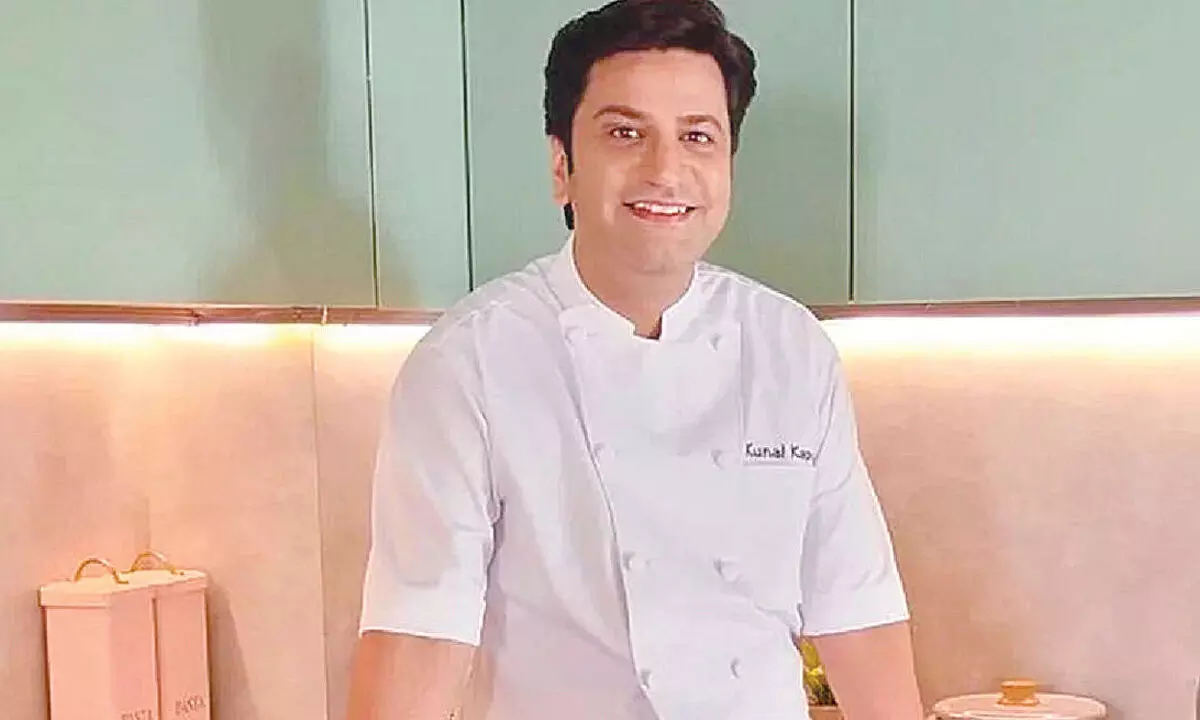
As celebrity chef Kunal Kapur gears up to return to the judges’ panel on the new season of MasterChef India, he isn’t just talking about flavours and finesse. The celebrated culinary expert is also turning the spotlight on a growing concern that affects almost everyone today — the overwhelming and often misleading food trends flooding social media.
In an age where scrolling is constant and information is instant, food has become one of the most aggressively consumed forms of content online. From reels declaring certain ingredients as miracle “superfoods” to posts warning against everyday staples, the digital food space has become both influential and confusing. According to Kunal, this rapid consumption of content has blurred the lines between fact, fad, and fear.
“What has happened is that people are consuming social media at a very fast pace, continuously,” Kunal explains. “Food is one of those verticals that keeps appearing on your feed. One person says something is healthy, another says it’s not. Someone claims a food suits you, someone else says it doesn’t. Some of these claims may be true, but many cannot really be vouched for.”
Kunal believes the problem isn’t curiosity — it’s blind acceptance. While social media has democratised information, it has also created an environment where half-truths spread faster than well-researched advice. And when it comes to food, these mixed signals can lead to unnecessary guilt, fear, and confusion.
For the chef, the biggest misconception lies in how people define “health.” He insists that health cannot be reduced to a single ingredient or a trending recipe. “Health is not just a function of what you eat,” he says. “It also depends on how you eat, how you cook your food, when you eat it, and in what quantity.”
He adds another crucial layer often ignored in online conversations — body type. “Your body type may be better suited for certain dishes. Eating the same food as someone with a different body type may not work for you,” Kunal points out, stressing that personalised eating matters far more than following generic trends. Perhaps his most striking argument is his refusal to label any food as inherently unhealthy. In a world quick to demonise butter, ghee, sugar, or carbs, Kunal offers a refreshing perspective. “No food is unhealthy by default,” he says. “We often call something unhealthy just because it contains a lot of ghee or butter. But every food has nutrition — that’s its purpose.”
So what actually makes food unhealthy? According to Kunal, the answer lies in lifestyle choices, not ingredients. “If we have a sedentary lifestyle, don’t move enough, and don’t burn calories, then calorie-dense foods may not be good for us,” he explains. It’s not about eliminating foods, but about balancing intake with activity.
Rather than rejecting social media food trends outright, Kunal encourages mindful experimentation. He believes trying out recipes seen online can be a learning experience — as long as people listen to their bodies. “Unless you have a specific medical condition that restricts certain foods, all foods can be healthy,” he says. “The equation is simple: you have to burn what you eat.”
In fact, he urges people to engage responsibly with food content. “Try what you see on social media, and then share your honest reaction in the comments — whether it worked or didn’t. That way, you help others make informed choices.”
As MasterChef India returns on Sony Entertainment Television and Sony LIV, Kunal Kapur’s message extends beyond the kitchen. Amid the noise of viral trends and quick fixes, his advice is clear: eat consciously, move actively, trust your body, and don’t let the internet decide your health for you.


