Creative Economy and Disaster Management: Bridging Preparedness with Innovation

The creative economy, comprising cultural and creative industries (CCIs), is a significant driver of global economic growth, contributing approximately 3.1% to the global GDP and creating nearly 50 million jobs worldwide.
The creative economy, comprising cultural and creative industries (CCIs), is a significant driver of global economic growth, contributing approximately 3.1% to the global GDP and creating nearly 50 million jobs worldwide. However, its dynamic nature often intersects with large-scale public events, infrastructure developments, and mass gatherings. These intersections highlight the importance of integrating disaster preparedness and management into the framework of the creative economy.
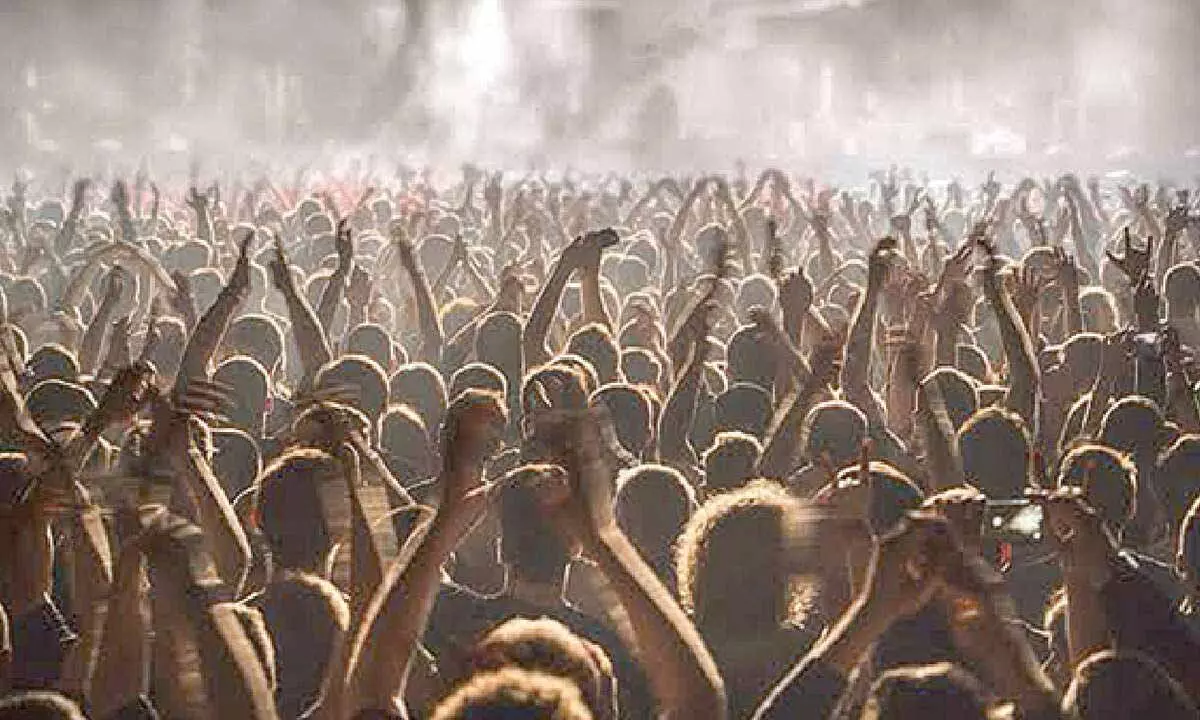
Recent incidents underscore the pressing need for this integration. The tragic stampede during the screening of the film Pushpa 2 in Hyderabad, which claimed the life of a young mother and critically injured her son, is a stark reminder of the risks associated with poorly managed crowd dynamics. Similarly, singer Diljit Dosanjh’s frustration with inadequate concert infrastructure in India raises questions about the readiness of creative industries to handle emergencies effectively. These incidents point to a broader issue: the gap in disaster preparedness within the creative economy.
Understanding the Nexus: Creative Economy and Disaster Management
The creative economy thrives on large-scale public engagement—be it cinema screenings, concerts, exhibitions, or festivals. These events often involve significant infrastructure, high footfall, and complex logistics, making them susceptible to disasters ranging from stampedes to fires and natural calamities. The policy of disaster management—encompassing preparedness, mitigation, response, and recovery—must therefore be tailored to address the unique challenges posed by the creative economy.
Preparedness is the cornerstone of disaster management. It entails equipping stakeholders, including event organizers, venue managers, security personnel, and the general public, with the knowledge and skills needed to respond effectively during emergencies. Unfortunately, public awareness often remains alarmingly low. For instance, how many of us pay attention to the safety demonstrations on airplanes, locate emergency exits in theaters or malls, or know how to operate a fire extinguisher or perform CPR? This lack of awareness can amplify the impact of disasters.
Challenges in Disaster Management for Creative Industries
1. Crowd Management: Events in the creative economy attract diverse audiences, often in massive numbers. Effective crowd control requires meticulous planning, trained personnel, and advanced technologies. The Pushpa 2incident is a case in point where the lack of coordination between the actor’s team and law enforcement led to chaos.
2. Infrastructure Deficiencies: The infrastructure for creative events in India often falls short of Disaster planned standards. This includes inadequate safety measures, poorly designed evacuation routes, and insufficient emergency equipment.
3. Stakeholder Accountability: Disasters often trigger a blame game among stakeholders, as seen in the Pushpa 2 case. While civil society, event organizers, and authorities all share responsibility, a lack of clear guidelines and accountability exacerbates the situation.
Role of Civil Society and Stakeholders
Disaster management within the creative economy cannot rely solely on government intervention. Civil society and stakeholders must play an active role in fostering a culture of preparedness. Here are some actionable steps:
1. Public Awareness Campaigns: Organizers and authorities should conduct awareness drives, focusing on basic survival skills such as operating fire extinguishers, administering first aid, and identifying exit routes. These campaigns can be integrated into event promotions to reach wider audiences.
2. Mandatory Safety Drills: Just as fire drills are standard in corporate settings, safety drills should become mandatory for large public events. This could include simulations of evacuation procedures and basic first-aid training for staff and volunteers.
3. Collaboration with Experts: Event organizers should collaborate with disaster management experts to develop comprehensive safety plans. This includes risk assessments, crowd management strategies, and contingency plans for various scenarios.
4. Use of Technology: Technology can be a game-changer in disaster management. Apps that guide attendees to the nearest exits, AI-powered crowd monitoring systems, and real-time communication tools can enhance safety at events.
Policy Implications and the Way Forward
To ensure the creative economy contributes to disaster preparedness, policymakers must adopt a multi-disciplinary approach:
1. Regulations and Standards: Governments should establish stringent safety regulations for creative events, covering aspects such as venue design, crowd capacity, and emergency preparedness. Compliance should be monitored through regular audits.
2. Capacity Building: Training programs for stakeholders in the creative economy should be institutionalized. This includes training security personnel, event managers, and local authorities in disaster management techniques.
3. Incentives for Safety Compliance: Financial incentives, such as tax breaks or subsidies, can encourage event organizers to invest in safety infrastructure and training.
4. Community Involvement: Community participation is crucial for effective disaster management. Local volunteers can be trained as first responders, creating a grassroots safety network.
Economic Imperative
Beyond the moral and ethical dimensions, investing in disaster preparedness makes economic sense for the creative economy. Disasters can lead to significant financial losses, damage reputations, and erode public trust. Conversely, a strong safety record can enhance the appeal of creative events, attracting larger audiences and boosting revenues.
Global data underscores the economic potential of the creative economy. For instance, cultural and creative industries contributed 2.9% to Brazil’s GDP in 2020, employing around 11 million people. In Portugal, these sectors accounted for 3.6% of GDP in 2016. To sustain this growth, countries must ensure that creative industries are resilient to disasters.
Conclusion
The creative economy represents a powerful engine for economic growth and cultural enrichment. However, its dependence on public engagement makes it uniquely vulnerable to disasters. The tragic incidents at the Pushpa 2 screening and Diljit Dosanjh’s concert highlight the urgent need for a paradigm shift in how we approach disaster management within this sector.
By fostering a culture of preparedness, leveraging technology, and promoting stakeholder accountability, we can ensure that the creative economy not only survives but thrives in the face of adversity. As participants in this vibrant economy—whether as organizers, attendees, or policymakers—it is our collective responsibility to prioritize safety and resilience. Only then can we unlock the full potential of the creative economy while safeguarding the lives and well-being of all involved.
(The writer is an Author & Creative Economy Expert)