At The Saudi Table, a meal became a map of culture

A thoughtfully curated Saudi culinary residency in Gurgaon turned dinner into cultural dialogue, led by ingredients rather than spectacle. At ‘The Saudi Table,’ food became a quiet, persuasive map of history, trade, and everyday life
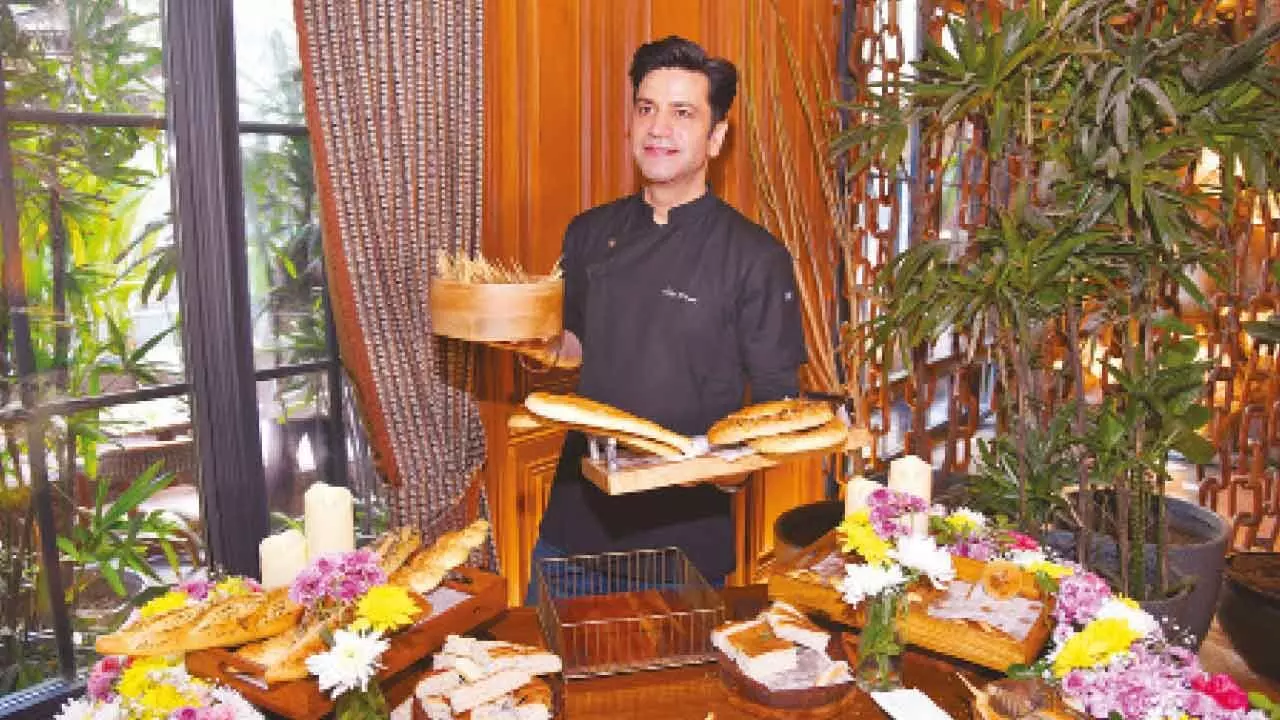
Culinary showcases designed to introduce one culture to another often arrive weighed down by symbolism—flags on plates, narratives forced into sauces. ‘The Saudi Table,’ a limited-period residency curated by chef Kunal Kapur for the Saudi Tourism Authority at One8 Commune, Golf Course Road, chose a quieter, more persuasive route. It trusted the slow authority of ingredients and the discipline of a carefully edited menu.
On the evening, I attended, the room was busy without being performative. Guests drifted between high tables and the grazing spread with the loose choreography of a social meal rather than a staged launch. There was no insistence on how to begin. Like the evening itself, the menu unfolded in fragments.
The grazing table set the tone. Kareef salad cut cleanly through the palate with pomegranate molasses and sumac. Tabbouleh leaned into a brighter Western Hijaz expression, finished with fresh pomegranate. Fattoush arrived crisp and reassuringly familiar, its fried pita scooping through a hummus that resisted Western creaminess, staying earthy, thick, and functional. Dates appeared not as garnish but as structural flavour—folded into roasted carrot salads, bound into almond balls, and later pressed into sponge cake with cardamom. Labneh with wild za’atar and olive oil was served simply, without explanation—the way foods tend to endure longest.
Small plates shifted the grammar from mezze to everyday eating. Sambusas shattered before yielding molten centres. Za’atar manakish came blistered and fragrant, made for tearing rather than portioning. Shawarmas—cottage cheese and chicken—were deliberately casual, eaten standing, sauce threatening cuffs and notebooks alike. More indulgent notes followed: stuffed chicken wings dense with rice and dried fruit, lamb kawarma meatballs scented with sumac, and mini kebabs glazed with pomegranate reduction—generous, unpretentious, and fleeting.
The larger plates carried ceremonial weight. Kabsa, Saudi Arabia’s national dish, arrived aromatic and abundant, unapologetically rice-forward. Mansaf lamb, softened by fermented yogurt, leaned into comfort rather than drama. Seafood pilaf and grilled Gulf fish traced coastal influences with restraint.
What made the evening persuasive was not its breadth but its editorial discipline. Kapur’s reputation for ingredient integrity showed in flavours allowed to settle rather than perform. There was no unnecessary heat, no decorative micro-herbs, no attempts to theatricalise tradition. The food trusted its own architecture. Desserts continued this quiet confidence. Rose and pistachio panna cotta lingered on perfume rather than sugar. Baklava was crisp without syrupy aggression. Kunafa arrived warm and unapologetically rich, its cream-cheese centre doing the heavy lifting without excess.
The historical subtext surfaced gently: centuries of maritime exchange between India’s western coast and the Arabian Peninsula, evident in shared souring agents, cumin’s soft heat, and rice as both canvas and comfort.
Extending this philosophy beyond the plate, the Saudi Tourism Authority has translated the residency’s ethos into culinary-led travel itineraries. These reframe travel away from monument-hopping, letting flavour guide the journey—through Jeddah’s Al-Balad and seafood institutions, Riyadh’s Najdi comfort and modern districts, and AlUla’s landscape-driven food culture.
In an era where national cuisines are often pressed into experience marketing, ‘The Saudi Table’ offers a quieter proposition: that the truest understanding of a place begins not with landmarks, but at the tables that sustain everyday life.