A ray of hope against a devastating diagnosis

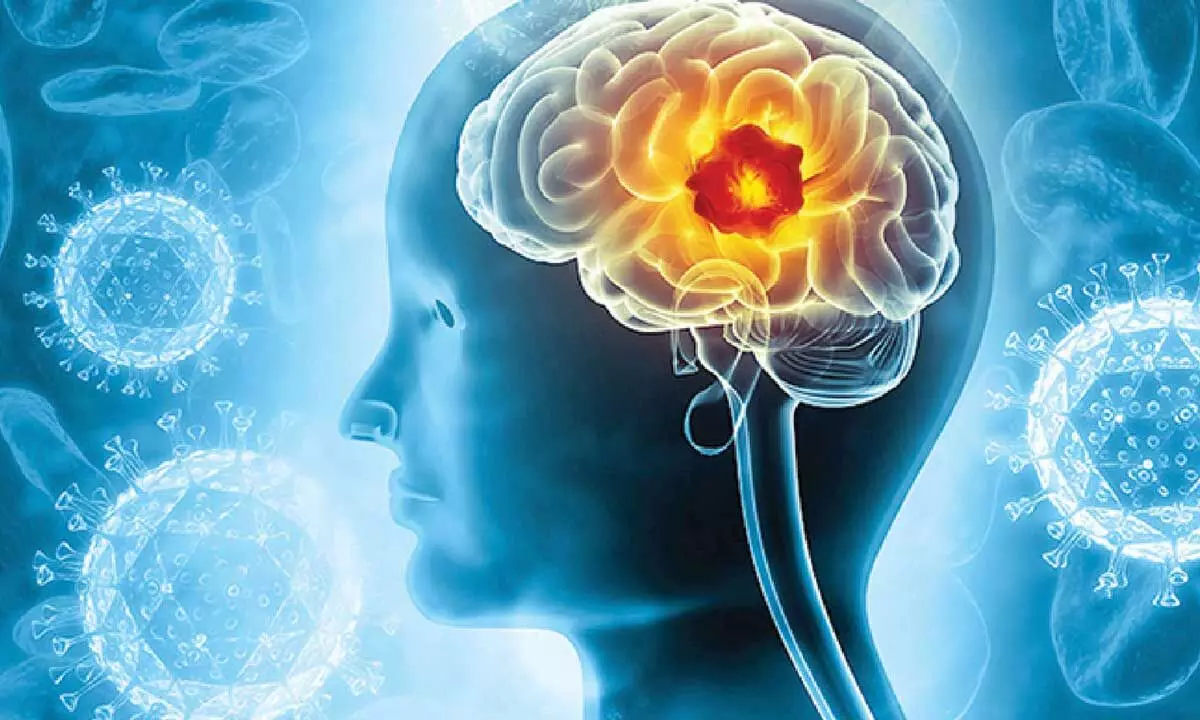
Australian scientists uncover promising combination therapy for childhood brain cancer
In a significant breakthrough that could reshape future approaches to treating one of the deadliest childhood brain cancers, a team of Australian researchers has identified a promising new therapy strategy by combining two existing medicines. While still at the laboratory stage, the findings offer renewed hope for conditions that have long resisted conventional treatments, particularly diffuse midline gliomas (DMG), a group of highly aggressive brain tumours that primarily affect children.
The study, conducted by scientists from the Children’s Cancer Institute and the University of New South Wales (UNSW), has been published in the prestigious journal Science Translational Medicine. It explores whether attacking cancer cells on multiple fronts—rather than relying on a single drug—could yield better results against tumours that have, until now, been almost impossible to control.
At the heart of the research is diffuse intrinsic pontine glioma (DIPG), a rare but devastating childhood brain cancer and a subtype of DMG. DIPG is notoriously difficult to treat due to its location deep within the brainstem, making surgery impossible and limiting the effectiveness of radiation and chemotherapy. For most children diagnosed with DIPG, the prognosis is grim, with average survival hovering around just 12 months.
Recognising the limitations of existing therapies, the researchers took a different approach. Rather than searching for a single “magic bullet” drug, they investigated whether a combination of treatments could more effectively disrupt the cancer’s growth mechanisms. As Conjoint Associate Professor Maria Tsoli from UNSW explained, no single drug has so far been able to eradicate the most aggressive brain cancers on its own—a reality that pushed the team to explore combination strategies.
One of the major challenges in treating DMG tumours lies in their genetic complexity. According to UNSW Conjoint Professor David Ziegler, these cancers are driven by the simultaneous activation of thousands of genes, all working together to fuel uncontrolled growth. Shutting down just one pathway or gene has proven insufficient, as the cancer quickly adapts and continues to grow.
The study revealed that DMG cells thrive because of disruptions in normal gene regulation, particularly in a process known as transcription—the mechanism by which genetic information is converted into instructions that drive cell behaviour. The researchers focused on two key proteins involved in this process: FACT and BET. Both proteins are found at unusually high levels in cancer cells and play a crucial role in keeping cancer-driving genes switched on.
Importantly, drugs that target FACT and BET already exist and are being developed for clinical use. However, when used individually, these drugs have shown only limited success, merely slowing tumour growth rather than stopping it. The breakthrough came when researchers tested the drugs together. In laboratory experiments, the combined therapy effectively shut down the transcription process, switching off thousands of genes at once. The result was striking: cancer cells died rather than merely slowing their growth.
The benefits of the combined treatment extended beyond lab dishes. In experiments conducted on mice, the therapy significantly slowed tumour progression and helped the animals live longer compared to those receiving single-drug treatments. These results suggest that the dual-drug approach may overcome some of the resistance mechanisms that have long plagued brain cancer research.
Another intriguing discovery emerged during the study. The researchers found that the combined treatment activated signals associated with the immune system. This suggests that the cancer cells became more visible to the body’s natural defences, potentially making them easier for immune cells to recognise and attack.
This finding opens the door to even more powerful treatment strategies. The research team believes that pairing the drug combination with immune-based therapies—such as CAR T-cell therapy—could further enhance its effectiveness. CAR T-cell therapy, which involves engineering a patient’s immune cells to target cancer, has shown promise in other cancers and could represent a future step in tackling DMG.
Crucially, both classes of drugs used in the study are already in clinical development, meaning the pathway from laboratory research to patient trials may be shorter than usual. While significant testing and validation are still required before the treatment can be used in children, the fact that these drugs are already undergoing trials offers cautious optimism. For families affected by DIPG and other diffuse midline gliomas, advances like this represent more than scientific progress—they offer hope in a field where treatment options have remained largely unchanged for decades. While the road to a cure remains long, this study underscores the power of combination therapies and innovative thinking in confronting childhood cancers that have, until now, defied medical science.