




- Trump targets Canadian goods in US contracts amid trade deal row
- No deal unless Lebanese army strengthens control, says Israeli army chief
- Western troops in Ukraine would mean direct war: Russian FM
- BJP to launch 'Seva Sankalp Abhiyan' today to mark PM Modi's 25 years of public service
- PM Modi to inaugurate 5th edition of SEMICON India 2026 today
- Deepti Naval meets Ashwini Bhave at her California home during US tour, says ‘creating memories again’
- Vadnagar-Varanasi bike yatra to be held today to mark PM Modi's birthday; HM Shah to flag off rally
- Ponguleti questions Harish over registration of assigned lands
Turning up the heat is literal all over
In Short
It defined risky heat days as days hotter than 90 per cent of temperatures observed in a local area compared to the 1991-2020 period.

Share :
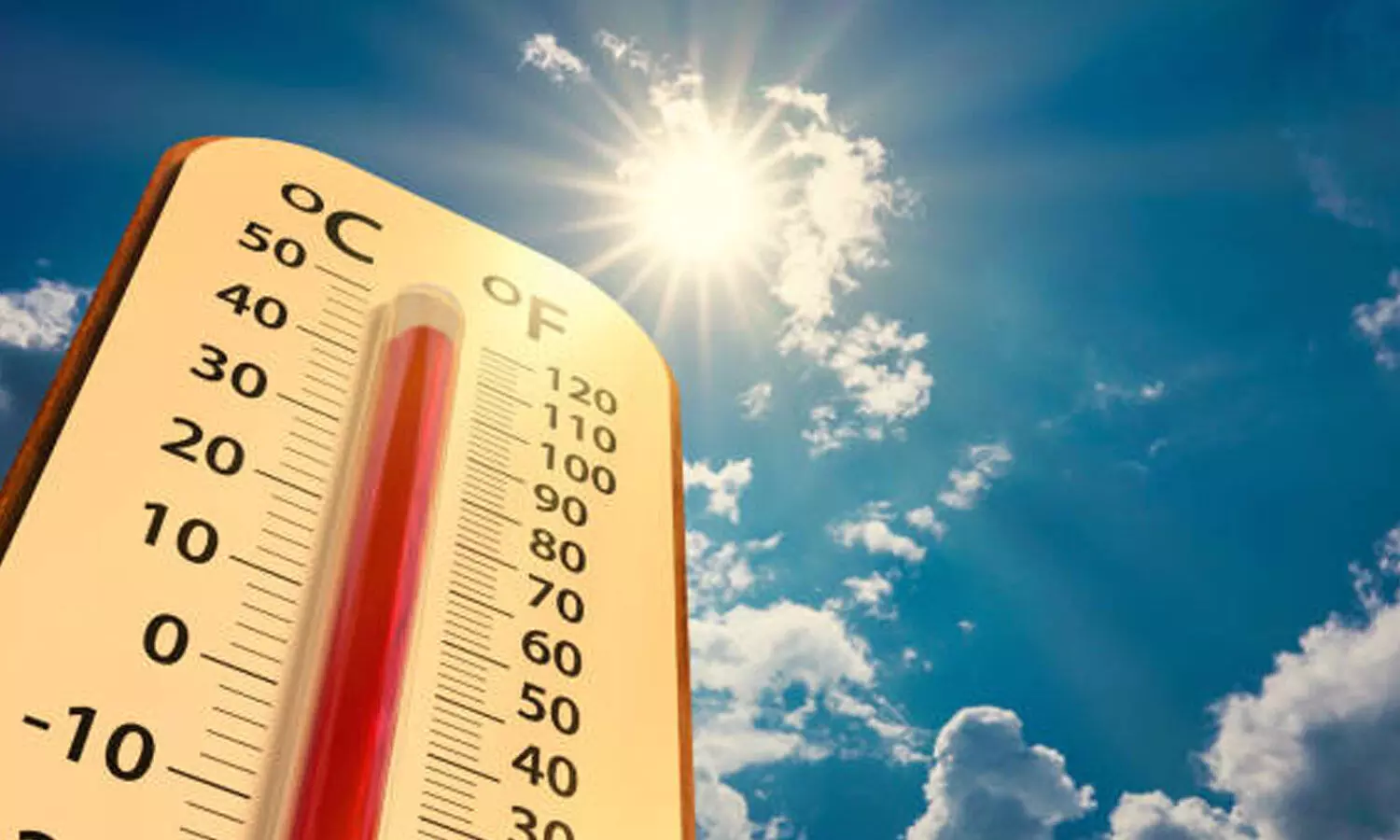
Representational image
One of the standing jokes in our country was how the upcountry had three seasons –summer, rainy and winter – while peninsular India too had its own three – hot, hotter and hottest. With a sticky, humid environment engulfing most of southern India between end March and late May, the perception stuck for good in the minds of visitors exposed to milder weather conditions who had no choice but to endure it as they would go through their tourist trips and other recreational visits. Presently, the effect of El Nino is already being felt by all sections of the country as deficit rainfall is threatening to disrupt many supply chains in the last quarter of this year. Added to that is the overbearing heat which has put pressure on power supply and increased per capita consumption in households all over. Now comes an analysis that India had the largest number of people (about 117 million) exposed across the world to at least 30 days of risky heat added by climate change between June and August.
It defined risky heat days as days hotter than 90 per cent of temperatures observed in a local area compared to the 1991-2020 period. This represents the point at which health risks from heat begin to climb. At the continent level, Asia had the largest total population exposed to risky heat -- 2.8 billion people (58 per cent of the continent’s population) were exposed to at least 30 days of risky heat, said the analysis. On average, India was 0.7 degrees Celsius warmer than normal between June and August this year, compared to the 1991-2020 average, said the analysis, ‘Risky Heat Added by Climate Change: June to August 2026’, released on Wednesday by Climate Central, an independent group of scientists and communicators. The study also revealed that in India, the average person experienced about 39 days with temperatures strongly influenced by climate change this summer. Srinagar recorded the riskiest heat days, with 53 days, followed by Chennai (40 days), Rajkot (29), Amritsar (29) and Lucknow (27). It added that Mumbai had the highest number of days (86 days) where temperatures were strongly influenced by climate change. Globally, more than 1.5 billion people experienced 30 or more days of risky heat added by climate change between June and August. What is surprising is that traditionally cold zones like Srinagar seemed to be under the grip of a climate change condition while normally hot zones like Chennai extended the agony of its residents by having more days of risky heat. It must have put a lot of green activists and environmental professionals into a deep think mode who must now look beyond the automatic assumptions they are expected to arrive at. Also, the doomsday prophets who have often predicted the end of human life will have to recalibrate their arguments given that things are seemingly going their way. Life has a method in its madness of its own and survival of the fittest is going to be the mantra of existence in the decades ahead.


