Tackling TB, a seriously deadly matter

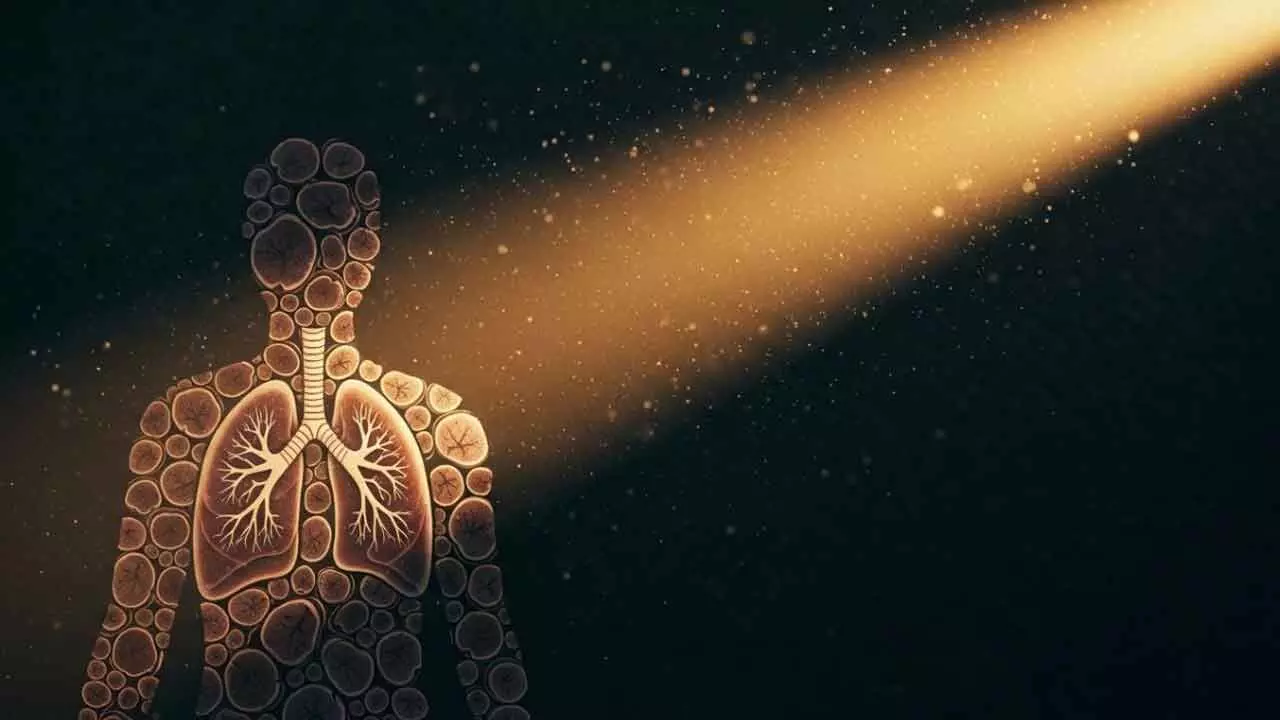
Yetanother year has passed from the time (1982) March 24 is being observed as ‘World Tuberculosis Day’. Alas, for all the innovations and treatment changes that have been pioneered towards wiping out the deadly illness from the face of earth, the progress has been nothing to cheer about. It remains the world’s leading killer if one goes by the lives it continues to claim across the globe. It is so overwhelmingly high that almost 25 per cent of the global population has been infected with TB.
Talks of conquering the illness by 203o are mostly meant to please the galleries. It is not that efforts are not being made in that direction, but they are seemingly few and far in between. The lack of seriousness can be gauged by the fact that there has been a dramatic decline in international funding for TB eradication, which is made worse by the prevailing geopolitical situation, and makes for shocking revelations. The statistics are spine-chilling-millions of lives are devastated globally, giving rise to severe health, social, and economic consequences. On an average around 4,400 persons succumb to TB every year, while 30,000 are newly infected.
Across the globe, there are around 170 crore TB patients. For all the efforts that have been undertaken, a mere 79 million TB patients have survived since 2000. Speaking in comparative terms on a yearly basis, of the 10.8 million who were infected with TB in 2023, 1.25 million died. Nearer home, the situation is equally alarming. In proportionate terms, 188 per one lakh Indians are TB-affected. To the uninitiated, Tuberculosis (TB) is a contagious airborne disease that is caused by ‘Mycobacterium tuberculosis’ which affects mainly lungs. It is spread through the air when people with lung TB cough, sneeze or spit.
The deadly aspect is that only by inhaling a few germs one can become infected. “TB can happen to anyone who breathes,” is the common medical refrain, a caution that underscores the magnitude of the impactful sources. As pointed out by Dr Burra Madhusudhan Reddy, World TB Day reminds us that it still is the number one killer among the infectious causes of death. Although it is curable and preventable, the control demands a highly cost-effective health intervention. TB is synonymous with the development of drug resistance in the world.
The main preventive measures are minimising contact with TB infected persons, washing hands frequently, covering the mouth when coughing, maintaining healthy lifestyles, taking balanced diet and TB therapy. In India has seen significant progress in its treatment with expanded screening, faster diagnostics, and large-scale treatment programmes. However, the fact is that incidence rates are way higher than the elimination targets and the growing complexity of drug-resistant TB, which requires longer and more careful treatment strategies. Drug resistance emerges when medicines are used inappropriately and incorrect prescription by health care providers, poor quality drugs or patients stopping treatment prematurely.
The World Health Organization (WHO) has come with a theme for this year that indicates the urgency and need to prioritise conquering the disease. “Yes! We can end TB: Led by countries, powered by people,” emphasises that all is not lost when it comes to putting an end to TB. What is required in this fight against TB is a strong leadership, political will, sustained investment and collective action.
This should involve governments, communities, civil society, researchers, donors, and other stakeholders to achieve meaningful results that can put in on the 2023 elimination target. Even a miniscule percentage of the efforts put in to achieve a drug-free society can go a long way in conquering TB. Are the authorities game for it?