RBI turns accommodative to add to growth impulses

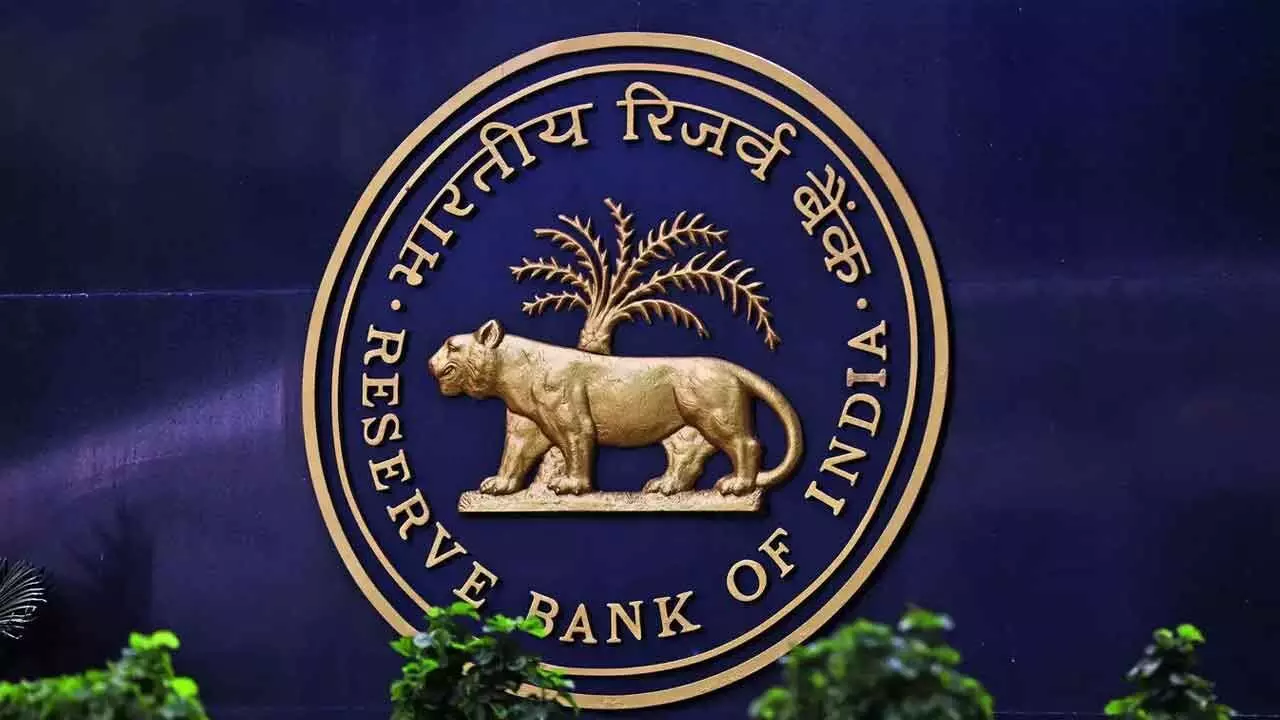
The central bank must be commended for choosing growth over price stability at this stage. It is the right thing to do so as Trump tariffs effect is much less on India than on other countries, and India is increasingly favourable amid the greatest trade disruption since Covid. This will not only impart economic resilience but will also help Indian firms to churn out competitive goods in global markets. Governor Sanjay Malhotra said that the RBI is more concerned about the impact of US tariffs on economic growth than on inflation.
The RBI on Wednesday met the expectations of economists and cut the repo rate, also known as the purchase agreement rate, by 25 basis points to 6 per cent. Its Monetary Policy Committee took into account potential risks to the economy that can fuel inflation and voted unanimously to reduce the interest rate on the loans it extends to commercial banks so the latter can pass on the benefit to public. Incidentally, the globe-shattering reciprocal tariffs announced by US President Donald Trump kicked in on the same day. This is the second time the RBI lowered the rates this year. On February 7, 2025, for the first time in last five years, the central bank effected a 25 basis point cut in the repo rate to 6.25 per cent.
Further, RBI hinting at more cuts in future is a shift in its stance from neutral to accommodative. A ‘hawkish’ stance means the RBI is willing to hike rates in order to manage inflation. An ‘accommodative’ stance indicates its willingness to cut rates - and a ‘no’ to any hike. A ‘neutral’ stance is when RBI can either hike or lower interest rates, depending on data and conditions.
Ever since Trump announced reciprocal tariffs on April 2, countries like European Union, Canada and, particularly, China came out with retaliatory tariffs and trade war clouds started to gather. Widespread global trade disruptions are likely as supply chains will be hit as nations scramble to scour for markets as the largest consumer market potentially closes to them if they do not renegotiate trade deals with the US. Growth projections have gone awry across the globe and inflation fears are rising. There has been a rout of stock markets; trillions of dollars of investors’ wealth are vapourising. Globalisation and multilateralism seem passe as waves of protectionism have begun to sweep economies. It is really unfortunate that Trump tariff shocker came at a time when the global economic growth has been depressed for over several years. The US action has precipitated the onset of recessionary trends, economists and think tanks opine alike.
India’s central bank has timely taken cue from the budgetary stimulus to boost domestic demand. FM Nirmala Sitharaman had already provided a budget bonanza of nearly Rs 1 lakh crore to taxpayers, boosting household consumption.
The current RBI measure will pave way for home loans to be cheaper and EMIs are likely to reduce in line with the key lending rate. This will spur the real estate sector which contributes around 7.3% to India’s GDP. The FM who is abroad opines that India’s domestic consumption will be a big magnet for FDI and international manufacturing companies. She rightly hopes that India is going to be an engine of growth. Inflation is also not a big concern. The MPC has noted it is currently below target, and projects it at 4% in FY26.
Finally, as global situation turns grim, it is re-assuring to hear Sanjay Malhotra re-affirm that, “The government and RBI will jointly manage the challenges to maintain stability in the economy.”