India must tap new sources to boost energy production

India’s quest to reach the developed economy status by 2047 hinges largely on self-sufficiency in critical areas. And energy security is one of the most critical aspects of self-reliance. Since the country imports 85 per cent of its crude oil needs and 55 per cent of its natural gas requirements, it is exposed to geopolitical events. In the refinery front, the country has built impressive capacity and is self-sufficient. But when the raw material supply chain is disrupted, processing suffers.
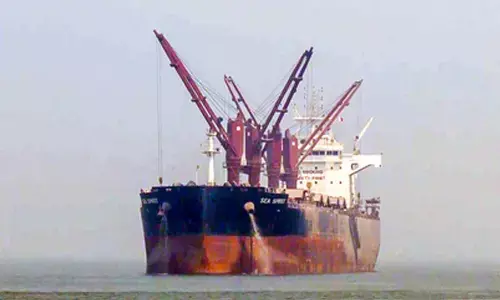
This is what is happening as West Asia conflict rages with no signs of any early end. If the war between Israel-US and Iran lingers, then the Indian economy will suffer, leading to livelihood threats for many. According to reports, the closure of Strait of Hormuz can create serious issues for the global economy. Against this backdrop, India must create several energy sources to diversify its overall portfolio. Over the last 30 years, the country has realised the importance of green energy and vulnerabilities with respect to crude oil and LNG. Currently, more than half of the country’s energy needs are fulfilled by renewable energy sources. India produces around 250 GW of renewable energy.
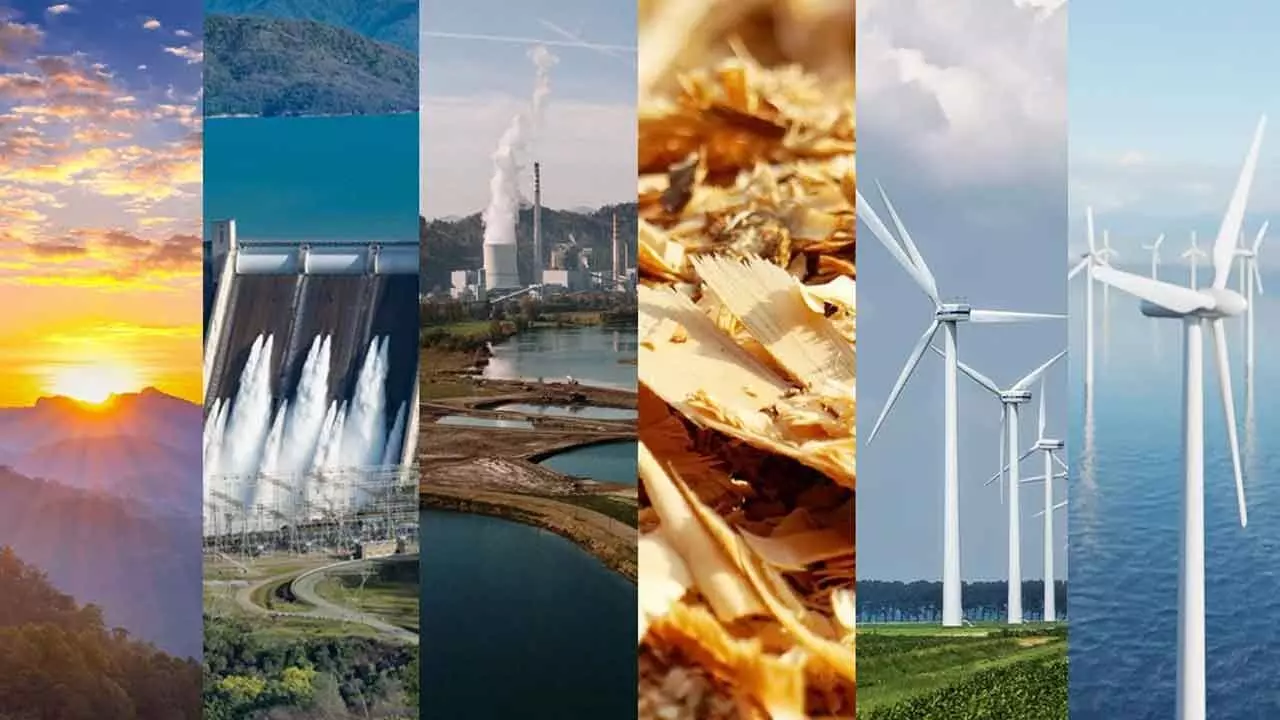
Solar power is the highest contributor to the renewable energy pie, with an installed capacity of about 120 GW. Wind and hydro are the other renewable energy sources with more than 50 GW of power generated each from these sources. Bioenergy and nuclear contribute the rest of the energy portfolio in the renewable vertical. Hearteningly, the pie of renewable energy is increasing in line with India’s zero emission commitments. However, it is nearly impossible to do away with fossil fuel dependency.
Heavy industries and operations require fossil-fuel driven energy sources. India has an ample amount of coal and coal-fired thermal plants. The need is to further accelerate the coal mining capacity and speed up coal gasification projects. Especially, coal gasification projects will reduce dependence on LNG imports apart from meeting the critical fertilizer- Urea. In both these areas, India is depending on other nations. Reports suggest that while petrol and diesel availability is not an issue due to the ongoing West Asia conflict, LNG supply has been disrupted, especially LPG supplies. Therefore, such projects are essential for national energy security.
Notably, India’s technology industry is eyeing to take a pole position in the AI space in coming years. With a huge talent base, operations of global companies and high internet penetration, India can be the global capital in the AI space. But the supporting infrastructure needs to be strengthened. Keeping this in view, the Union Budget 2026 has proposed to provide tax holiday till 2047 and promote setting up data centres in the country. Notably, data centres consume huge amounts of energy. Because AI-focussed data centres use advanced chips that consume 2-4 times more electricity than traditional servers.
To put things in perspective, large scale data centres consume power that is equal to 100,000 households. Now, imagine the pressure on India’s electricity grid once major data centres become operational. In this regard, it will be better if alternate energy sources can be tapped on a mission mode. Moreover, the exploration work about new oil and gas sources should be done on an urgent basis. While India has been endowed with most mineral resources, the missing link is the oil and gas portfolio. If that can be plugged, the country will become immune to global shocks in many ways.