India has done well by not signing the SCO joint statement

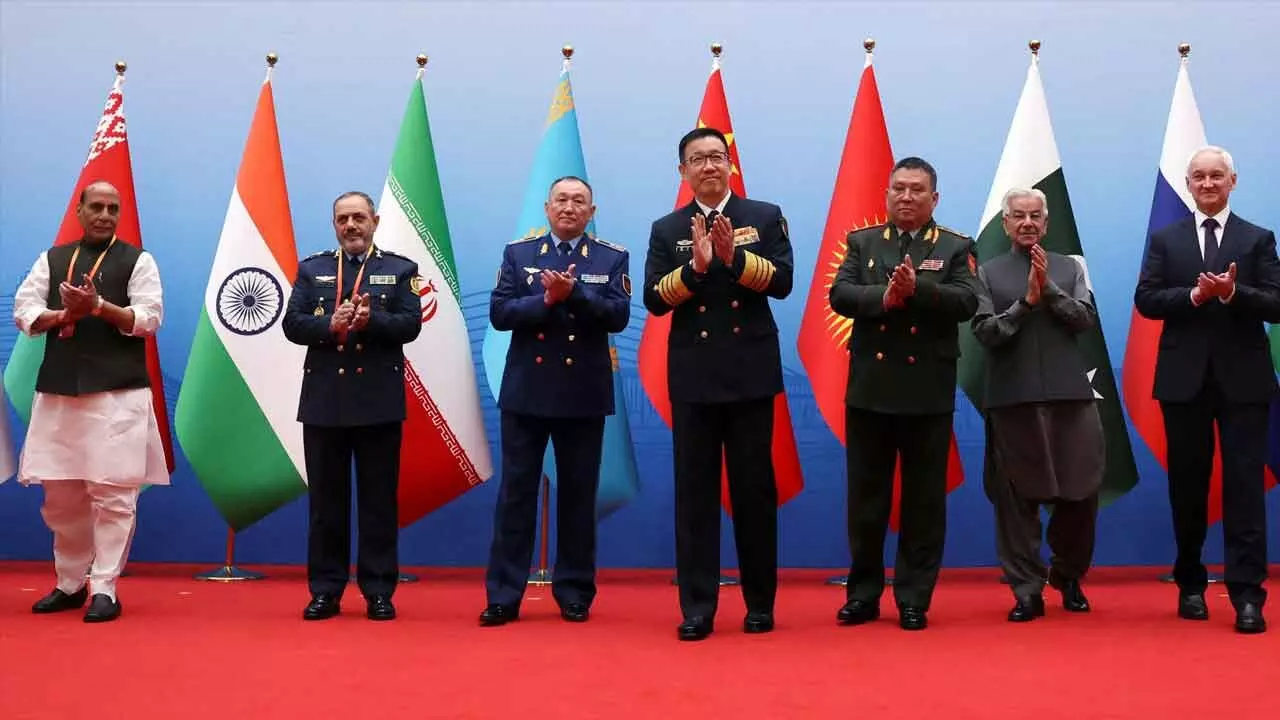
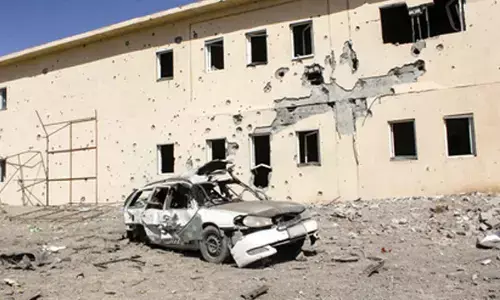
By not signing a tendentious joint statement at the Shanghai Cooperation Organisation (SCO) meet, India has made it clear that it will never allow Pakistan and its supporters to peddle their narrative at international forums. The draft statement did not have any reference to the Pahalgam terror attack in which 26 innocent lives were lost, but it did mention the Jaffar Express hijacking in Pakistan in March. Addressing the SCO gathering, Defence Minister Rajnath Singh spoke about the Pahalgam attack and the ensuing Operation Sindoor. He articulated Delhi’s stand on terrorism in unambiguous terms: “Peace and prosperity cannot co-exist with terrorism and proliferation of Weapons of Mass Destruction in the hands of non-state actors and terror groups. Dealing with these challenges requires decisive action... Some countries use cross-border terrorism as an instrument of policy and provide shelter to terrorists. There should be no place for such double standards. SCO should not hesitate to criticise such nations.” The double standards continue because China, the wannabe superpower, keeps supporting and abetting Pakistan to chafe and fret India by whatever means possible, including jihad.
Over the decades, China has provided Pakistan with military hardware, financial bailouts, nuclear assistance, and diplomatic cover on the world stage. This is not born out of altruism or ideological affinity—neither exists—but of a deliberate maneuver to keep India perpetually engaged in regional skirmishes, border tensions, and security concerns, thereby slowing down its strategic and economic ascent. Beijing’s strategy is part of a broader geopolitical playbook often referred to as the ‘String of Pearls’ or the policy of ‘encirclement.’ Through this approach, China seeks to establish strong strategic footholds around India’s periphery. This includes developing port infrastructure in countries like Sri Lanka (Hambantota), Pakistan (Gwadar) and Myanmar (Kyaukpyu), effectively tightening a strategic noose around India. By nurturing these relationships, China ensures that India’s attention remains divided between defending its immediate borders and countering Beijing’s increasing influence in the Indian Ocean region. Beijing’s tacit and, at times, overt support for Pakistan’s use of asymmetric warfare, including the indirect promotion of jihadist elements targeting India, is a particularly dangerous aspect of this strategy.
While China officially distances itself from terrorism, it has repeatedly shielded Pakistan from international scrutiny, especially at forums like the UN Security Council, where Beijing has vetoed or stalled resolutions against Pakistan-based terrorists. This not only emboldens Pakistan but also sends signals to New Delhi that it must constantly remain on guard against cross-border terrorism and hybrid warfare tactics. By abetting Pakistan’s antagonistic posture towards India, China ensures that a significant portion of India’s resources—both financial and military—are tied up in managing regional conflicts, internal security threats, and defence preparedness against a two-front war scenario. This, in turn, diverts India’s focus from economic reforms, infrastructure development, and global diplomatic initiatives that would otherwise propel it to great power status. Ultimately, China’s aim is not necessarily to provoke a full-scale war, but to strategically annoy and frustrate India, keeping it politically and militarily overstretched. By exploiting Pakistan’s historical animosity towards India and weaving it into its grand strategy, China hopes to slow down India’s rise and consolidate its dominance in Asia. India’s refusal to sign the statement will not make Islamabad or Beijing mend their ways, but it will make it difficult for them to sell their narrative.