From ‘pensioner’s paradise’ to an unlivable, urban hellhole

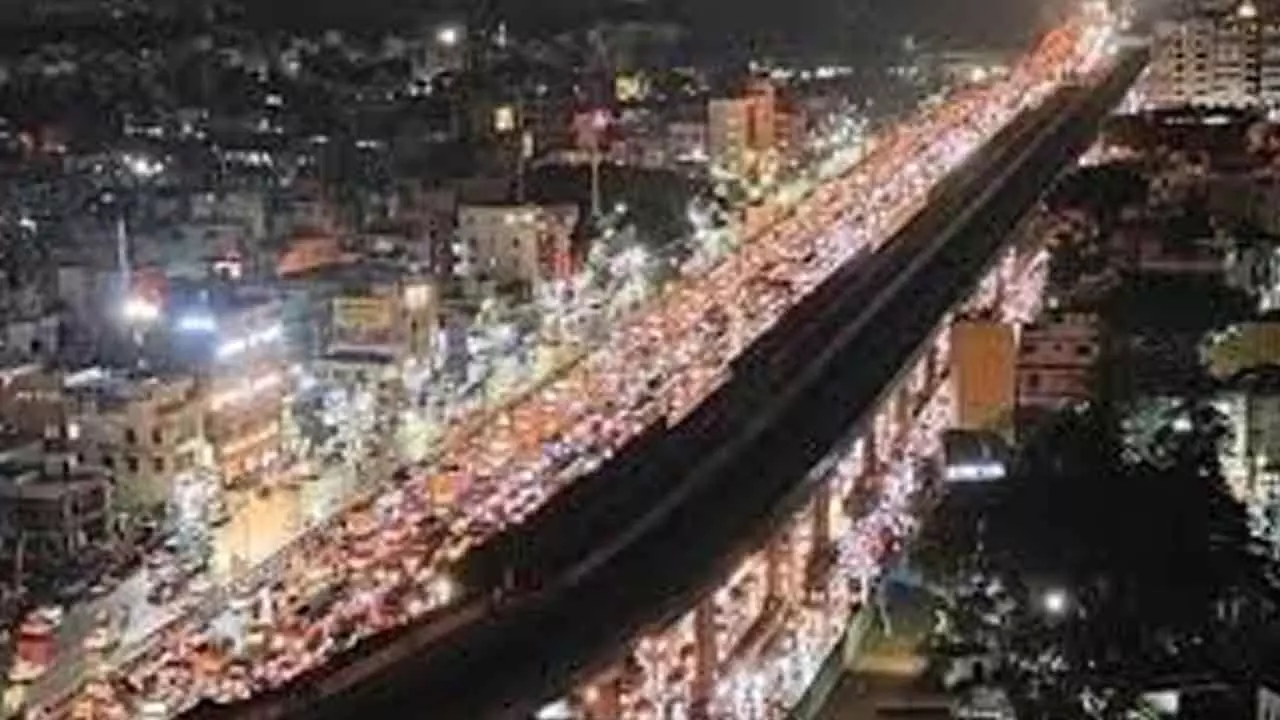
Over the past five decades, the city that has grown fastest and paid the price for reckless urbanisation, rising population and uncontrolled growth of real estate has surely been Bengaluru, not long ago known as the ‘Garden City’. What was also known as the ‘Pensioner’s Paradise’ till the end of 1970s, famed for its languid pace of life and a soothing climate to go along with, has been lost forever. In its place, a hell of a lifestyle has taken over, which means that the USP of this city, in the south-western part of the country, is no longer its standout highlight.
Name it and you have it – uncontrolled explosion of private vehicles, civic infrastructure, which is known more for its absence, traffic jams, population movement into and outside the city all through the day and a rising crime scene, which has kept the overworked law and order machinery on its toes. With global warming and changing climate patterns affecting the country terribly this year, the city with a population of nearly two crore as it continues to expand all over has had to bear the brunt of monsoons and its devastating impact on the lives of its hapless citizens.
Of course, it is an accumulated set of reasons which has led to this sorry state of affairs, irrespective of the party that ruled the state over this phase. Firstly, the standard governance failure in anticipating and being proactive has been the first fatal blow on the system. Then, the unbridled corruption which has choked civic administration, where accusations have flown thick and fast about the abnormal percentage of ‘speed money’ to be paid for clearing bills and executing works (an astounding 60 per cent) has paralysed the little that could have been taken up to keep things functional. Specifically, the city has had a raging controversy ongoing with the wretched condition of its roads, leading to long traffic jams and accidents, a few of them tragic and fatal.
Over the past two months, top industrialists have not hesitated in going public and castigating the state government for its total failure in restoring a decent, motorable condition of roads for the millions of vehicles which move on them. After a brief respite, when the Chief Minister and Deputy Chief Minister assured the irate industrialists that things would soon get better and reportedly took personal interest in expediting the repair and maintenance works, the slugfest between the two groups resumed.
What is notable is that the government, after its initial defensive and placatory moves, has leapfrogged to an offensive mode. The statements of Shivakumar, the tough-talking number two in the government who defended the state capital and its evergreen allure for Indians and foreigners are the first round of counterattack.
That he also said that the government would not mind if mega transnational corporations like Google would want to move out, quoting the poor civic infrastructure and related inconveniences, is adequate proof that the government is not willing to extend its courtesy beyond its current status. Evidently, it is in nobody’s interest, even for the highest paid IT honchos to the old world Bengalureans to be caught in this crossfire between the business groups and the state government who seem to be unrelenting and uni-directional in ensuring that the city would limp along on the highway of progress, laden with potholes.