EV market gradually getting charged up in India

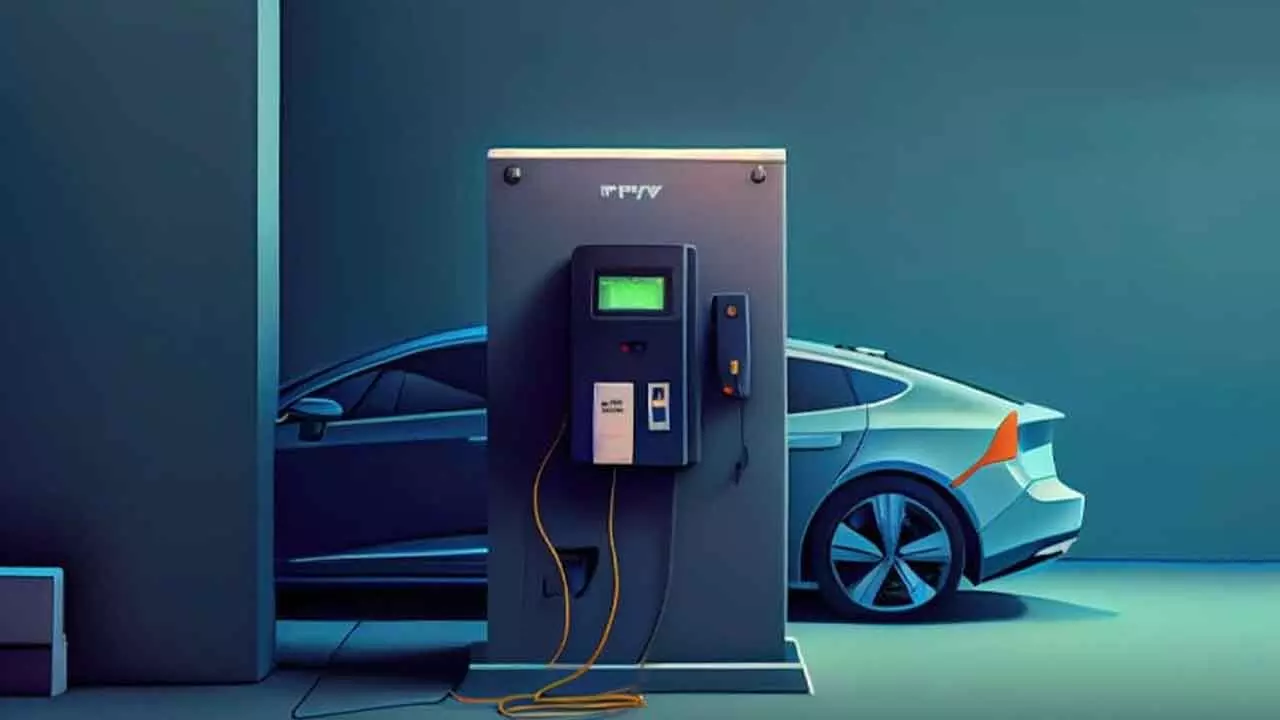
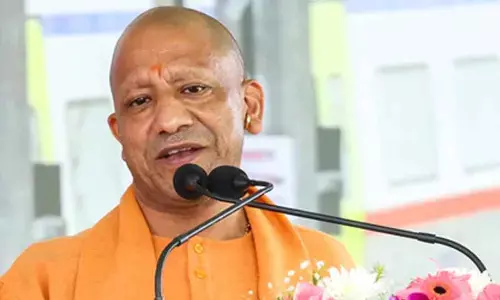
Electricmobility lies at the core of India’s commitment to achieving net-zero emissions by 2070 and is a key pillar of the country’s transition towards clean, sustainable and self-reliant transportation. Addressing the inauguration of an electric vehicle (EV) manufacturing plant in Lucknow, Union Heavy Industries Minister H D Kumaraswamy said that India has adopted a clear, ambitious roadmap for climate action. The latest published stats from the Vahan portal data are revealing-India’s electric vehicle market has reportedly accounted for eight per cent of all new vehicle registrations in 2025 with total EV sales reaching 2.3 million units.
A report from India Energy Storage Alliance (IESA) said that electric two wheelers led the EV growth with sales of 1.28 million units, touching 57 per cent of EV sales, while electric three wheelers (L3 and L5) accounted for 0.8 million units, or 35 per cent of EV sales. Electric four wheelers sales were at 1,75,000 units, with notable momentum in small and light commercial electric goods carriers. The country’s broader automobile market posted 28.2 million vehicle registrations in 2025, with two-wheelers accounting for 72 per cent of total sales. Passenger four-wheelers crossed 4.4 million units, while tractors and agricultural vehicles surpassed 1.06 million units.
Kumaraswamy said electric mobility also opens new opportunities for Indian industries, innovators and the youth, while strengthening the vision of an “Aatmanirbhar Bharat”, especially in advanced manufacturing sectors that will shape India’s future. He said that the Ministry of Heavy Industries has taken several steps to accelerate the adoption of electric vehicles. The Faster Adoption and Manufacturing of Electric Vehicles (FAME-II) scheme, with an outlay of Rs 11,500 crore, has supported over 16.71 lakh electric vehicles and sanctioned more than 9,000 public EV charging stations across the country.
The minister noted that electric mobility is equally important for strengthening domestic manufacturing. He said the Production Linked Incentive (PLI) scheme for the automobile sector, with an outlay of Rs 25,958 crore, mandates domestic value addition, while the PLI Advanced Chemistry Cell (ACC) scheme, with an outlay of Rs 18,100 crore, aims to create 15 gigawatt hours of advanced battery manufacturing capacity in India, a crucial step towards long-term energy security. Commercial vehicles account for over 40 per cent of transport-related pollution, he said that electrification of this segment is especially crucial. Globally, electric mobility is an issue on which there is a tug-of-war.
The expansion of Chinese EV makers overseas has alarmed automakers in Europe and the US. The EU imposed tariffs to counter an influx of affordably priced Chinese EV models into its markets, saying Chinese automakers had benefited from unfair government subsidies. The US enacted a 100 per cent tariff on China-made electric cars in 2024. EU officials complained that China’s homegrown automakers were poised to gobble up a substantial market share by undercutting European car brands on price, thanks to Beijing’s massive subsidies.
Those include orders for government fleets, low-interest loans from state-owned banks, access to cheap land for factories, tax breaks, and subsidised raw materials and parts from state-owned industries. The US tariffs effectively block virtually all Chinese EV imports. The EU needs affordable electric cars from abroad to achieve its goals of cutting greenhouse gas emissions by 55 per cent by 2030. Meanwhile, Chinese car brands have been expanding into Europe despite the higher tariffs