Crisis of credibility will hurt both ECI and democracy

Election Commission
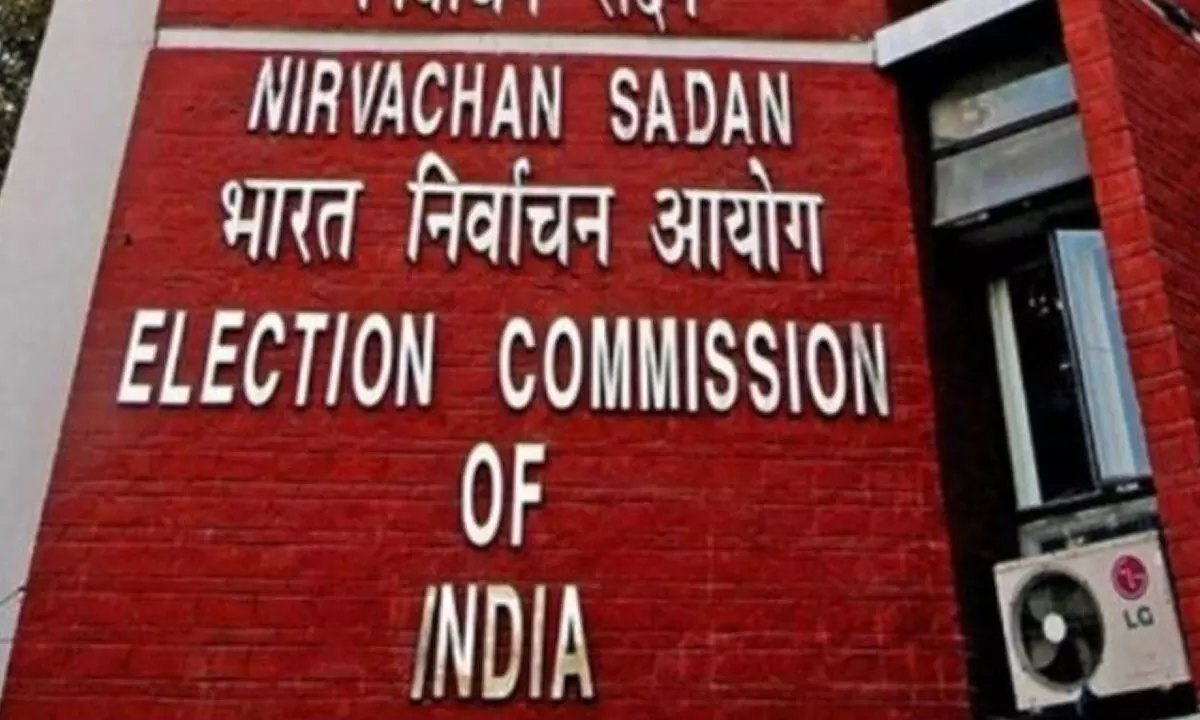
The recent attacks by the Congress on the Election Commission of India (ECI) reflect a deepening crisis of confidence in the institutions that underpin India’s democracy. Against the backdrop of the special intensive revision (SIR) of electoral rolls in Bihar, these allegations have brought the Commission into the political spotlight once again—raising troubling questions about its autonomy and credibility. On Saturday, Congress president Mallikarjun Kharge accused the Commission of having become a “puppet” of Prime Minister Narendra Modi, suggesting that the poll panel no longer functions as an autonomous constitutional body but as an instrument of the ruling regime. His statement came as reports emerged that nearly 65 lakh voters in Bihar could be excluded from the rolls during the ongoing revision. The next day, senior Congress leader P Chidambaram sharpened the attack. In a post on X, he alleged that the Commission was engaged in a “deliberate and dangerous” exercise to alter the “electoral character and patterns” of states. He contrasted the large-scale deletions in Bihar with reports of 6.5 lakh “additions” to the electoral rolls in Tamil Nadu—an act he described as “alarming and patently illegal”.
The Bharatiya Janata Party (BJP)-led government dismisses these charges, as it typically does with other criticisms from the Opposition. Yet, beyond the usual exchange of barbs between the ruling party and the Congress lies a larger and more worrying narrative: the growing perception that India’s democratic institutions, including the ECI, are being eroded from within. The Election Commission has historically enjoyed a reputation as being one of the country’s most trusted public bodies, credited with conducting free and fair elections in the world’s largest democracy. But, its standing has been steadily declining in recent years. Critics argue that its responses to contentious issues—ranging from alleged violations of the Model Code of Conduct to controversial decisions on electoral roll revisions—often appear either delayed or tilted in favour of the ruling party. Whether or not such allegations are fully justified, the perception of bias itself is corrosive in a democracy that depends on the impartiality of its institutions. The fact is that this perception of institutional capture is not limited to the ECI.
Over the last decade, various organs of the state—be it investigative agencies, the legislature, and even sections of the judiciary—have faced accusations of being influenced or pressured by the executive. The Modi government’s critics frequently argue that its centralised style of governance leaves little room for institutional autonomy. The government, for its part, insists that these institutions are functioning within their mandates and that such criticisms are politically motivated. Some of the rhetoric from Congress leaders borders on hyperbole. Branding the ECI outright as a “puppet” or suggesting a grand conspiracy to alter the electoral character of states might be politically effective but risks undermining public faith in the very institutions they seek to defend. In democracies, reckless statements can deepen voter cynicism. Yet, exaggeration does not nullify the kernel of truth underlying these charges. The ECI’s conduct has done little to dispel doubts about its impartiality. An institution that was once celebrated for standing up to political power now seems hesitant even to assert its independence convincingly. It is incumbent upon not just the political class but also the ECI to undo the damage done in the last few years.