Centre must communicate with people, coordinate with states

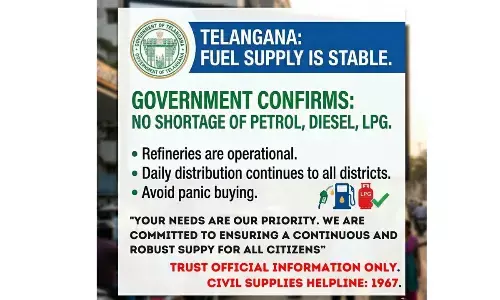
In the wake of the war in the Middle East, the Centre has said there is no need to panic as authorities are actively working to meet the country’s oil, LPG, and energy requirements. The government is reportedly expanding its sourcing strategy. But, evidently, government action to address the issue of gas shortage is not seen as adequate. Tensions in the Middle East have been rising for months; armed conflict seemed imminent.
The hospitality sector is hit badly, though other sectors are also suffering. Representatives of hotel and restaurant associations have been complaining of rising costs; one of them has said that eateries may end up paying Rs 1,200-1,300 crore per day if the LPG crisis persists.
Unsurprisingly, the issue has also acquired political overtones. Congress leader and the Leader of Opposition Rahul Gandhi on Thursday alleged that India’s energy security has been compromised due to a flawed foreign policy. He said Prime Minister Narendra Modi and his government should have prepared in advance. He has a point because, as we mentioned, the government has now woken up to the crisis. Similarly, the Punjab Vidhan Sabha has recently passed a resolution criticising the Centre over the alleged LPG crisis, with state Food & Civil Supplies Minister Lal Chand Kataruchak blaming the Union government’s foreign policy and global geopolitical tensions for concerns over oil and gas supplies.
The Central government and the Bharatiya Janata Party may retort with familiar fallaciousness but this will only help them score brownie points, not address the issue. The need of the hour is to ensure that this time of crisis passes without much damage. First, the government must communicate clearly with the public about the actual state of energy supplies. Panic and speculation often worsen shortages by triggering hoarding and market distortions.
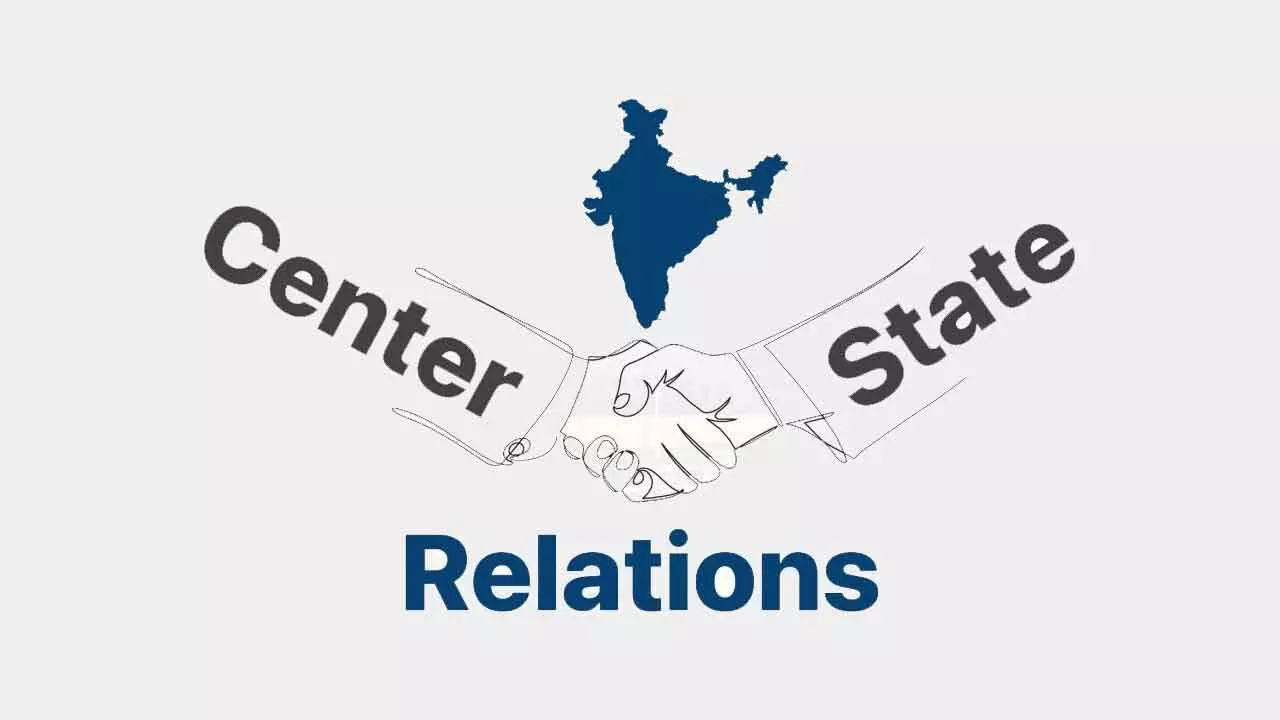
Second, coordination between the Centre and state governments is a prerequisite. Energy distribution networks operate across multiple administrative layers, and friction between political parties should not interfere with the flow of essential commodities.
Third, policymakers should use this moment as a reminder of the importance of diversifying India’s energy sources. While coal continues to dominate electricity generation and petroleum fuels remain central to transportation and cooking, greater investment in renewable energy, domestic gas exploration, and alternative fuels can reduce the country’s vulnerability to geopolitical shocks. Strategic reserves, supply diversification, and infrastructure upgrades must be viewed as long-term priorities rather than emergency responses.
Finally, leadership during crises requires more than administrative action; it requires political maturity. Governments must be willing to acknowledge emerging problems quickly, while opposition parties should focus on constructive oversight rather than purely adversarial criticism. In a country as large and complex as India, energy security is not merely a technical issue but a national imperative that affects economic growth, social stability, and everyday life.
If the tensions in the Middle East continue or escalate, India may face additional pressures on its energy supply chain. The best response will not come from political grandstanding but from foresight, cooperation, and decisive execution. If policymakers across the political spectrum keep that goal firmly in mind, the country can navigate this crisis with minimal disruption and emerge better prepared for future shocks.