Why Indian Students Are Betting on Multiple Countries – Insights by Vineet Gupta of Jamboree Education

Indian students are now applying to multiple countries to secure study abroad opportunities. Vineet Gupta shares why diversification matters, but why the US should stay in the mix.
In the last two years, Indian students planning to study abroad have quietly adopted a new playbook. Instead of placing all their hopes on one country, traditionally the US, UK, or Canada, they are now applying to multiple destinations at once. This shift reflects both rising geopolitical uncertainty and a new mindset that treats overseas education as a carefully diversified investment rather than a gamble.
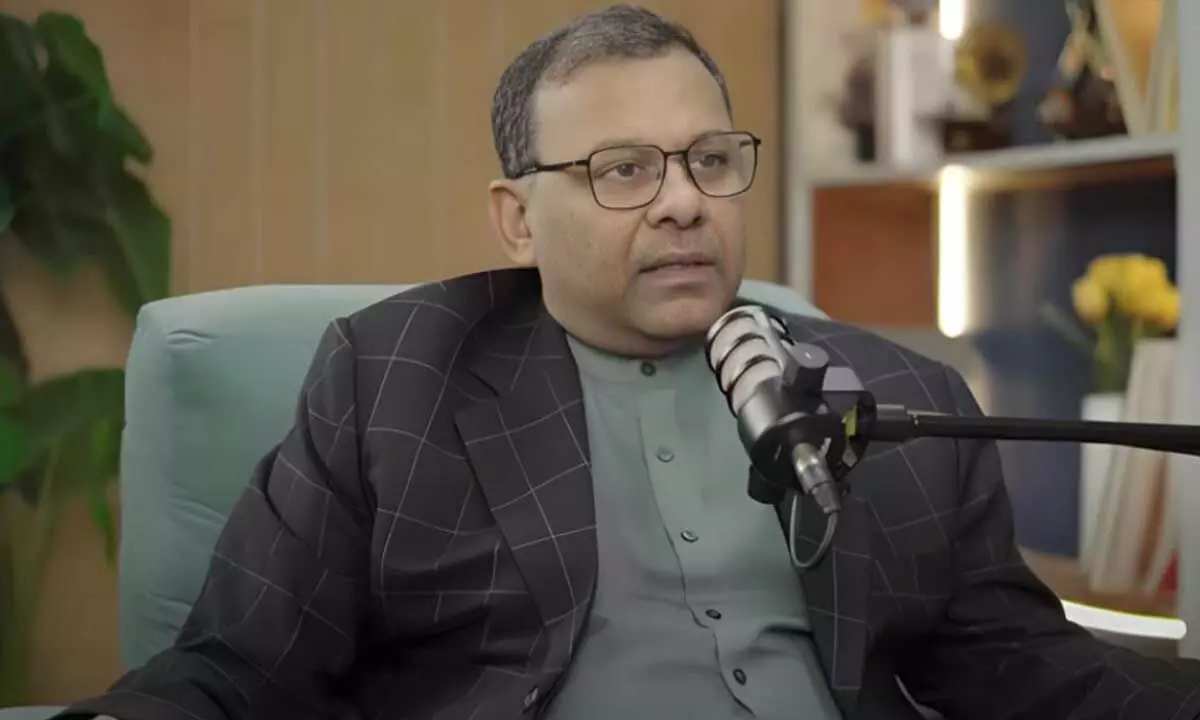
“Indian students are future global leaders. We need to help them make well-informed, opportunity-maximising decisions, not fear-based ones,” says Vineet Gupta, Founder of Jamboree Education. His vantage point in the education ecosystem provides valuable insights into why multi-country applications are on the rise, and why he insists the United States must remain central to the strategy.
The Rise of Multi-Country Applications
The data tells a clear story. In 2024, Indian enrolments abroad declined by around 15% compared to the previous year, with steep decreases in Canada (−41%), the UK (−28%), and even the US (−13%). Canada, once seen as a reliable choice, has rejected nearly 80% of Indian student visa applications so far in 2025.
As a response, Indian students have begun hedging their bets by applying to multiple destinations in a single cycle. Countries in Europe, Asia, and New Zealand are becoming increasingly attractive due to their affordability, friendlier job markets, and relatively smoother immigration pathways. This “portfolio approach” minimises the risk that a rejection will derail years of preparation.
The US – Still the Most Influential Player
Despite the diversification, Vineet Gupta cautions against sidelining the US. “While diversifying is practical, excluding the US from your list is short-sighted. The US has built the backbone of global innovation with Indian minds. It is too deeply entrenched to ignore in the coming decades,” he says.
There is a good reason for this. Since the 1960s, the US has been the top destination for Indian students in science, technology, engineering, management, and now AI. Tech giants like Amazon, Meta, Google, and Microsoft have thrived on the contributions of Indian-origin professionals who first came through US universities. Even today, interest in the US remains high, especially in STEM programmes. The US has introduced new rules for approving visas that require social media scrutiny. Even then, Gupta believes its unmatched research infrastructure, startup culture, and career opportunities will keep it dominant for at least two to three more decades if not more. The recent clarification by the US State Department says that a ‘change of visa’ status will not require the $100,000 fee for an HIB (work) visa. This is a massive positive for U.S.-bound students. Students graduating from US colleges are accustomed to competing with professionals from all over the world for a work visa (H-1 B). The dominant category here was Indian IT companies applying for H-1 B visas in the tens of thousands. However, with the recent US State Department clarification, students who study in the US and change to a work visa (H1B) will not need to pay the $100,000 visa fee, and professionals applying from outside will need to pay this fee. Hence, students graduating from US colleges will have an advantage in the US job market.
The “Course-Country Fit” Strategy
Vineet Gupta of Jamboree Education urges students to think strategically, beyond visa concerns, and focus on what he calls the “course-country fit,” where the choice of destination aligns with the academic field. For Business and Economics, he points to Europe, especially the Netherlands and France, which offer flexible and globally relevant programmes. “If you are looking at Social Sciences and Business, do not just chase brand names. Countries like the Netherlands and France are creating flexible, globally relevant programmes that rival the Ivy League and often at a fraction of the cost,” he says. Architecture and design students, on the other hand, often look to the UK, where London and other cities provide not just a rich academic heritage but also exposure to global cultural networks.
For STEM and entrepreneurship, Gupta insists the US remains unmatched. “When it comes to STEM and entrepreneurship, the US still offers a unique ecosystem. It is not just about top universities, but it is about being in a place where research labs, venture capital, and startups interact every day to shape the next wave of innovation,” he explains. Meanwhile, cost-conscious students in Engineering are increasingly drawn to countries like Germany, where public universities charge little or no tuition, and are gaining ground as traditional destinations lose some shine, further underscoring the need to tailor choices to both ambition and affordability. This “course-country fit” approach helps students align academic ambitions with financial planning and long-term career mobility.
Reflecting an Evolving Mindset
What makes this moment different is that students aren’t just acting out of fear of rejection. They are adopting a globally informed, ROI-driven strategy. They want maximum mobility, better post-study work options, and opportunities for permanent settlement if needed.
This marks a clear departure from earlier generations, in which the prestige of the destination, particularly the US or the UK, often outweighed practical considerations. Today’s students are both pragmatic and ambitious, using information and networks to build an education portfolio that balances aspiration with safety.
The Outlook Ahead
Vineet Gupta’s message to students and families is clear. “Diversify, but don’t discard. Apply across multiple countries, but keep the US in your mix if you are serious about long-term global leadership opportunities,” he asserts.
The world of higher education is in flux, but as Gupta reminds us, the fundamentals of US dominance in research and innovation are unlikely to vanish soon. For Indian students, the most innovative strategy may not be choosing between countries but building a tailored, multi-country pathway that keeps doors open while playing to each nation’s strengths.