Transforming Model Risk Management in Banking: Indra’s Impact on Banking Risk Frameworks

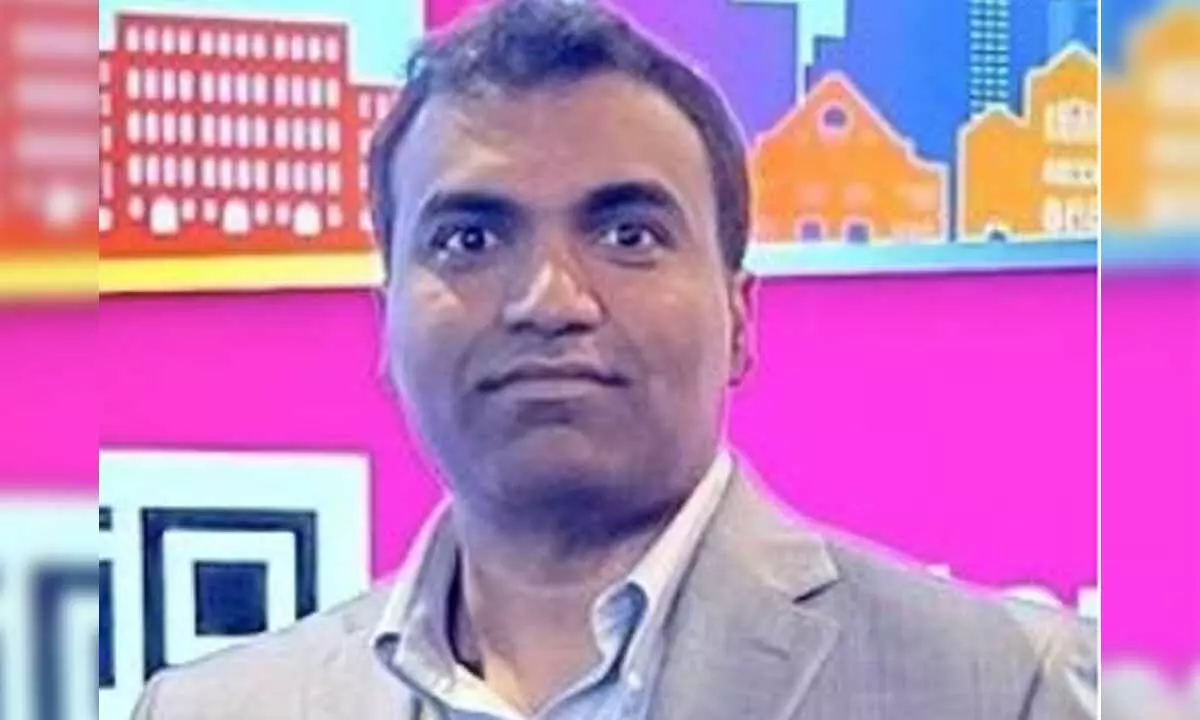
Indra Reddy Mallela, a trailblazer in banking risk management, shared insights into his transformative work at New York Community Bank (NYCB). From addressing compliance gaps to revolutionising model monitoring, Indra highlighted how his initiatives have reshaped industry standard
When it comes to reshaping the landscape of model risk management in banking, Indra Reddy Mallela has been a trailblazer. Reflecting on his time at New York Community Bank (NYCB), where he spearheaded a transformative initiative, Indra explains, “The banking sector is increasingly reliant on complex models to manage risks, but without robust ongoing monitoring systems, these models can quickly become liabilities rather than assets.”
As Senior Model Risk Management Project Lead at NYCB, Indra identified a critical compliance gap under the SR11-7 guidelines. “We lacked a structured framework for ongoing monitoring across key risk models – Credit Risk, Fraud Detection, AML, Market Risk, Operational Risk, and Liquidity Risk. Addressing this gap was not just about regulatory compliance; it was an opportunity to redefine how banks approach risk management,” he shares.
Indra’s solution was both visionary and practical. He developed comprehensive Ongoing Monitoring Performance Metrics and Threshold Values. “Traditional monitoring was reactive. My goal was to create a proactive system – one that not only meets compliance standards but also empowers business leaders with real-time insights into model performance,” he says.
The results were remarkable. NYCB experienced a 75% reduction in its regulatory exposure. “It was a game-changer for us. By enhancing model integrity and ensuring early detection of performance issues, we built a system that fostered operational resilience,” Indra highlights.
The ripple effects of his innovation extended far beyond NYCB. “Approximately 30 banks adopted our monitoring framework,” Indra reveals. “Seeing our work inspire change across the industry was incredibly rewarding. It reinforced the importance of collaboration and knowledge-sharing in driving progress.”
Indra didn’t stop at implementing changes within NYCB. He actively shared his insights at various banking conferences. “I wanted to contribute to the larger financial ecosystem,” he explains. “By presenting our methods and metrics, we sparked conversations that helped shape industry standards.”
Beyond compliance, the framework revolutionised decision-making processes in banks. “The shift from reactive to proactive monitoring has enabled executives to manage risks more effectively and make informed decisions,” Indra notes. “That’s the real power of a well-designed risk management system – it’s not just about ticking regulatory boxes; it’s about enhancing the bank’s overall operational resilience.”
Looking ahead, Indra remains optimistic about the future of risk management. “The adoption of advanced technologies like machine learning can further revolutionise this space,” he says. “At the same time, it’s critical to ensure these innovations are grounded in practical business applications.”
His contributions have set benchmarks for efficiency and compliance. “The 75% reduction in regulatory exposure wasn’t just a number; it was proof that innovation, when applied thoughtfully, can drive meaningful change,” Indra reflects.
Indra’s journey is far from over. As a visionary leader, his work continues to inspire financial institutions worldwide. “Risk management isn’t just a function – it’s a responsibility,” he concludes. “And with the right frameworks, we can create a more resilient and stable financial environment for everyone.”