The Impact of Medication Therapy Management on Chronic Disease Management in Elderly Populations

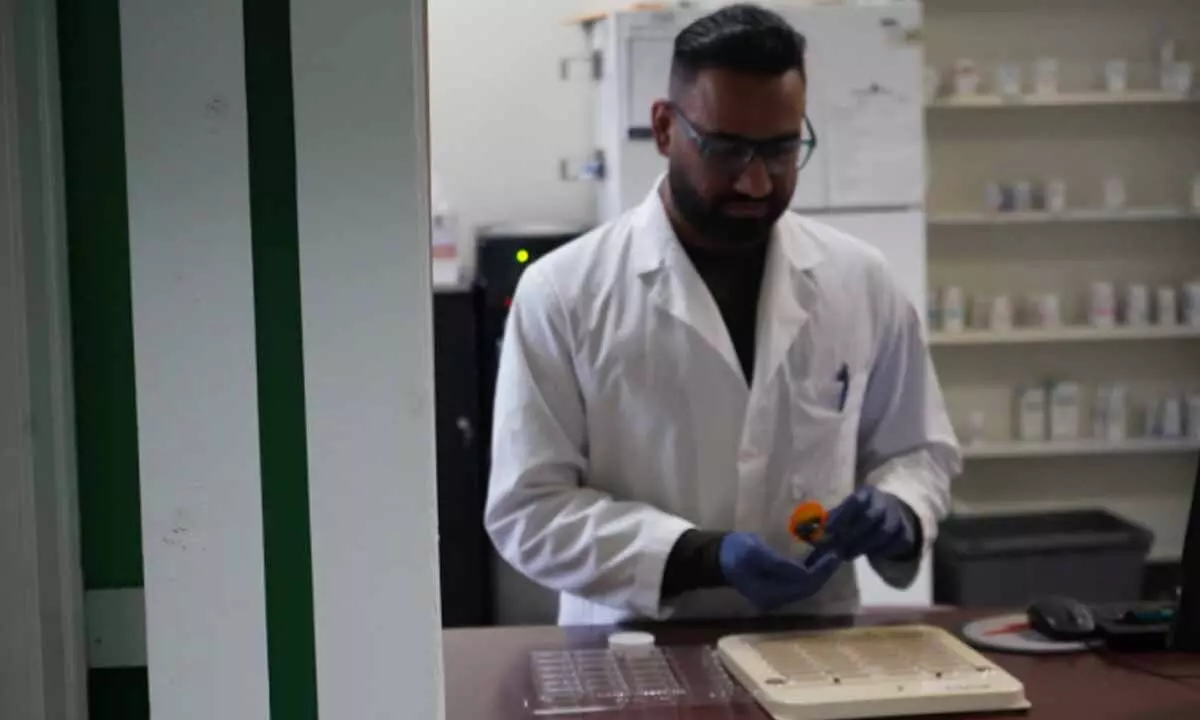
Pharmacist Nirlepkumar Patel discusses how Medication Therapy Management (MTM) is transforming chronic disease care for the elderly, improving adherence, reducing complications, and enhancing overall health outcomes
Among older populations, chronic diseases such as diabetes and hypertension require prolonged and meticulous management. Medication Therapy Management (MTM) has emerged as a transformative service, ensuring better adherence and reducing drug interactions, leading to improved health outcomes and a higher quality of life for elderly patients.
Nirlepkumar Patel, a seasoned expert in the field, has witnessed firsthand the impact of MTM on chronic disease management. Operating a pharmacy in an underserved community, Patel has dedicated himself to addressing the healthcare challenges faced by elderly patients. "Many of our patients struggle with multiple medications, a situation known as polypharmacy, which increases the risk of complications," he explains. "Through MTM, we help them understand their treatment plans, reducing hospitalizations and adverse drug interactions."
Patel and his team offer a comprehensive range of services, including medication delivery, counseling, and consultations. "Our approach is holistic—we don’t just dispense medicines; we ensure that patients take them correctly and safely. Education and empowerment are key aspects of our MTM model," he emphasizes.
In economically challenged neighborhoods, access to healthcare remains a critical issue. Patel's pharmacy has become a crucial hub, providing much-needed medical support to elderly patients. "By working closely with local doctors, we have created a system where referrals bring more patients in for structured medication management. This collaboration has enhanced compliance significantly," he notes.
The success of Patel’s MTM program is evident in both patient outcomes and economic sustainability. "Today, nearly 50% of our revenue comes from MTM services. This growth is not just financial—it represents lives improved and complications prevented," he says. "The impact of pharmacist-led interventions is immense, both clinically and socially."
Patel has extensively researched and documented these benefits in his published works, including Impact of Community Pharmacist-led Interventions in Chronic Disease Management on Clinical, Utilization, and Economic Outcomes (November 2022) and Medication Therapy Management and Medication Adherence for Geriatric Patients (August 2023). "These studies reinforce the importance of pharmacist involvement in chronic disease care," he asserts. "Pharmacists are among the most accessible healthcare providers, and their role in patient education and therapeutic drug monitoring is crucial."
Looking ahead, Patel envisions an expanded role for retail pharmacists in the healthcare system. "MTM services will continue to drive better health outcomes, significant healthcare savings, and immense social and psychological benefits," he predicts. "With rising demands on the healthcare system, pharmacists must step up as key players in chronic disease management."
Patel’s work demonstrates that with the right strategies and dedication, pharmacists can make a profound difference, particularly for vulnerable elderly populations. "Through collaborative practice and a commitment to patient care, we are not just managing diseases—we are improving lives," he concludes.