Strategic Insights Redefine Data Protection Standards

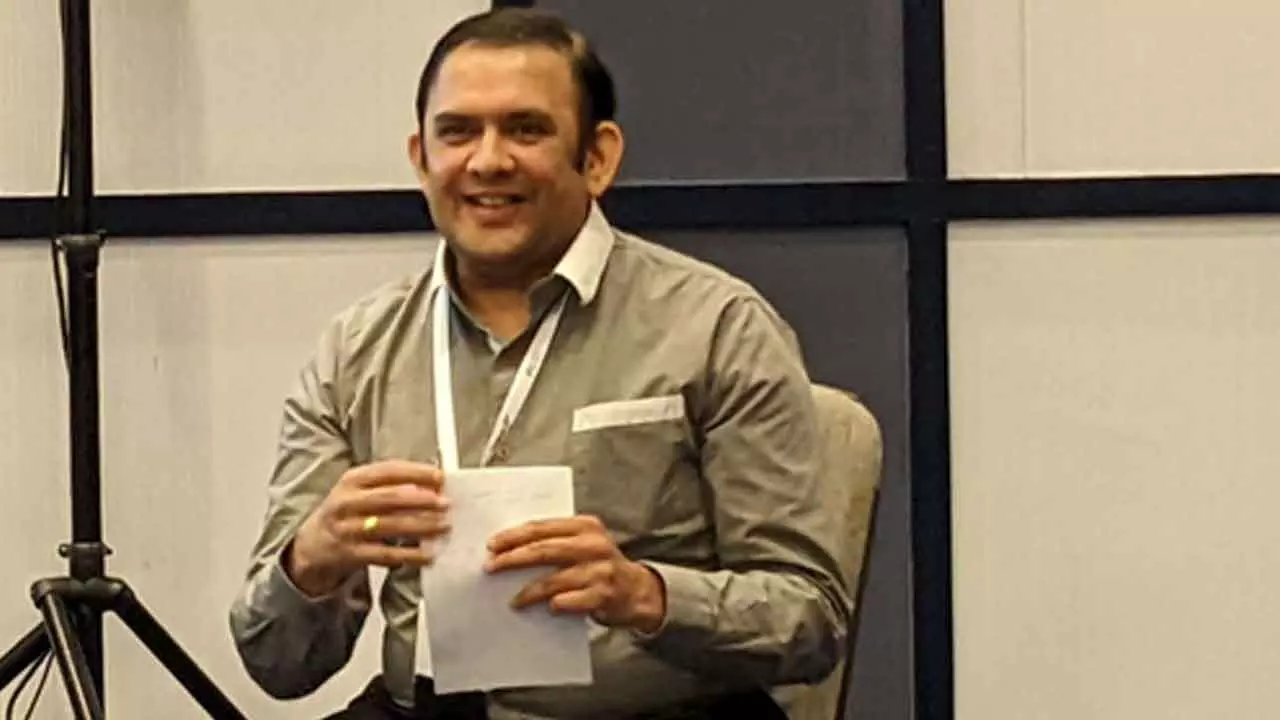
With over two decades of experience, Anand Athavale has been a driving force in transforming data protection strategies, leading innovations in cybersecurity, and redefining industry standards. His visionary approach continues to influence the way organisations tackle cyber threats and enhance resilience
In the ever-evolving world of cybersecurity, where data protection has become a critical component of organisational strategy, Anand Athavale has been a pivotal force in redefining the industry’s standards. With over two decades of experience, Anand has not only shaped competitive intelligence strategies but has also led the charge in transforming how organisations approach cybersecurity and data protection. In this exclusive interview, he shares his journey, the challenges he's faced, and his vision for the future of data protection.
Anand, your career has spanned multiple roles, all contributing to reshaping competitive intelligence in cybersecurity. How did you get started in this field?
“Initially, I began by designing and implementing competitive collateral websites. These were designed to give us an edge over our competitors. As I moved forward, I expanded my role to handling competitive requests and creating assets that directly impacted how our teams engaged with the market. It was all about laying a foundation of strong collateral that could improve our win ratios and make our competitive efforts more effective.”
You’ve been credited with recognising and focusing on ransomware at a crucial time. Can you tell us more about this shift in strategy?
“Absolutely. The threat of ransomware was rising, and the market was starting to pay closer attention to cyber resilience. I saw the opportunity to pivot our focus toward ransomware, making it a primary area for our competitive team. This strategic shift allowed us to align our goals with the growing demand for robust cybersecurity solutions. We could not only anticipate the needs of the market but also cater to them effectively.”
One of your notable contributions was creating an analyst-level comparison matrix for cyber resiliency. What was the impact of this initiative?
“Creating that matrix was a game changer. It included over 140 attributes that directly compared our offerings to competitors in terms of cyber resiliency. More than 1,000 internal views indicated how valuable the asset was to our teams. It helped showcase the strength of our portfolio and acted as a vital tool for sales and strategy teams. More importantly, it provided our leadership with data-driven insights, guiding them in developing targeted strategies that could close gaps in our offerings.”
What challenges did you face along the way, especially in getting your ideas adopted by the organisation?
“Building trust was definitely a challenge early on. There was skepticism about the credibility of new competitive collateral, so I championed the ‘Always save evidence’ approach. By ensuring that every insight I shared was backed by concrete evidence, I helped dispel doubts and build confidence within the team. Over time, as the accuracy of my research became clear, the adoption rate of these resources skyrocketed. We saw a 40% increase in the consumption of these competitive assets, with some sales leaders even calling them ‘gold.’”
You’ve also been vocal in the importance of educating the market about foundational issues in cybersecurity. What’s your perspective on this?
“I believe that vendors need to focus more on educating the market about the core problems rather than just pushing solutions. Understanding the foundational issues helps in crafting meaningful, long-term solutions. My blogs on operational risks and total cost of ownership highlight these core problems, and I think that addressing these challenges upfront sets the stage for real innovation and sustainable growth.”
Looking ahead, what’s your vision for the future of data protection and cybersecurity?
“I see the data protection market evolving, but I think it’s important to balance innovation with practicality. Cost and operational efficiency will remain key considerations, but there’s also a need to go back to basics. Defining problems more clearly will drive more meaningful solutions. The future of cybersecurity lies in addressing the right issues with the right approach.”
Anand’s vision and strategic insights have set a benchmark for the cybersecurity and data protection industry. As organisations continue to face ever-increasing threats, his approach serves as a guiding light for those looking to stay ahead of the curve and redefine what’s possible in the world of cybersecurity.