Shaping the Future of Enterprise Technology

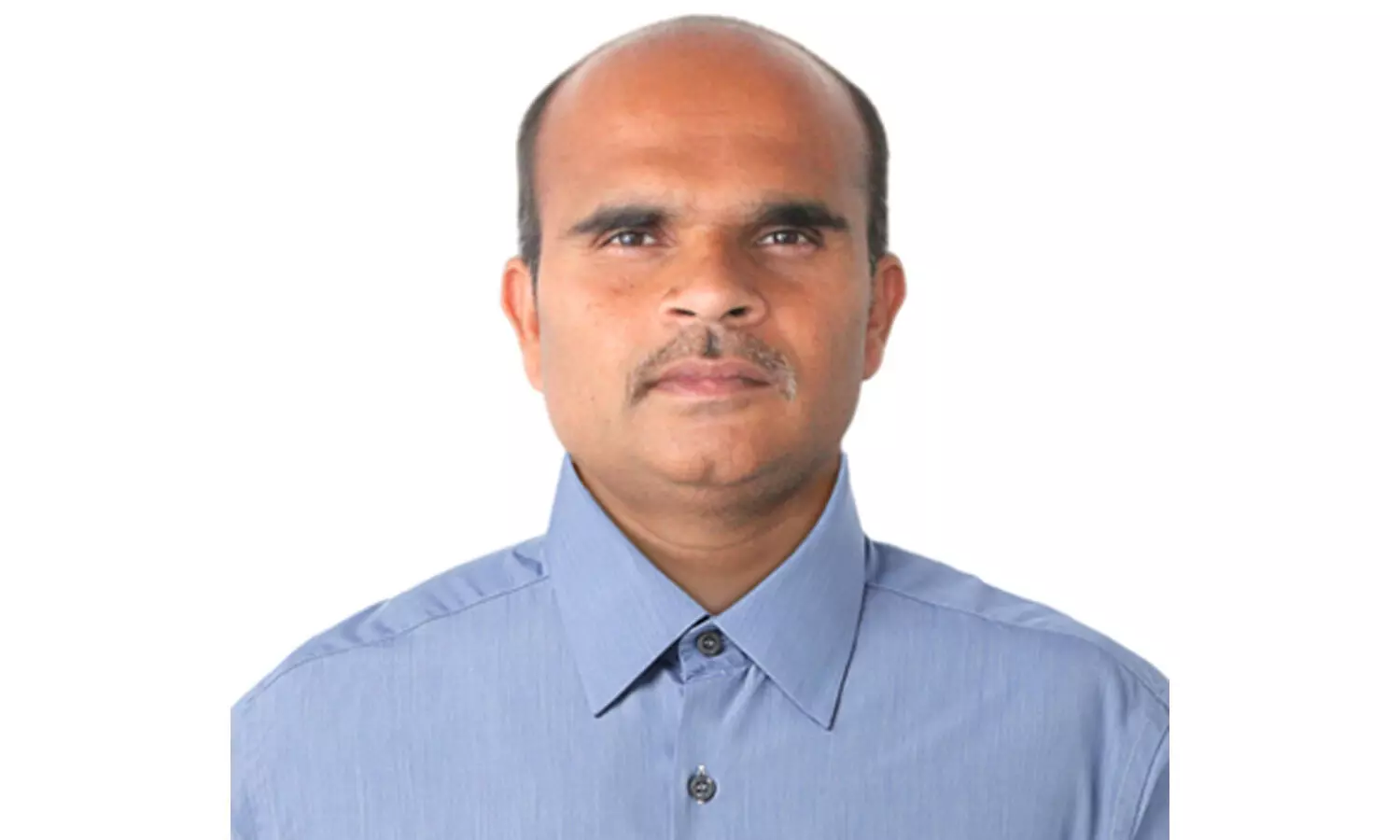
Sharath Babu Chikkamma Govinda shared insights from his 18-year career in IT, highlighting his approach to modernising legacy systems, fostering innovation, and aligning technology with business goals. His expertise spans enterprise applications, cloud technologies, and strategic project leadership across multiple industries
Sharath Babu Chikkamma Govinda stands out as a seasoned IT professional with 18 years of rich experience across diverse technology domains. Holding a Bachelor of Engineering in Information Technology from Jawaharlal Nehru Institute of Technology University, India, Sharath combines deep technical expertise with strategic leadership. “My passion for technology was born from witnessing how well-designed systems can transform business operations,” he shares, highlighting the driving force behind his career.
Sharath’s journey spans multiple industries — education, electronics, medical, and fuel sectors — where he has led complex IT transformation projects. His technical focus includes enterprise applications, microservices architecture, and cloud technologies, with a strong foundation in Oracle applications and Java. “I see enterprise technology as the perfect bridge between business needs and technical innovation, enabling tangible improvements in organisational performance,” he explains.
Balancing multiple projects effectively requires a disciplined approach. Sharath notes, “I prioritise projects based on business impact, resource availability, and deadlines. Using project management and DevOps tools, I create structured delivery plans, supported by regular stand-ups and progress tracking to keep teams aligned and maintain quality throughout.” This methodical workload management ensures steady momentum across implementation phases.
One of Sharath’s key challenges has been modernising legacy systems without disrupting business continuity. “Phased migration strategies are essential,” he states. “They involve detailed system analysis, comprehensive testing frameworks, and clear rollback procedures to minimise risks.” His emphasis on transparent communication and consistent progress reporting helps manage stakeholder expectations during complex transitions.
Sharath measures project success not only by delivery timelines but also through technical and business metrics. “We track application response times, error rates, and resource utilisation alongside user adoption and stakeholder satisfaction,” he says. This balanced approach ensures both technical excellence and meaningful business value.
Innovation is central to Sharath’s leadership philosophy. “I encourage my teams to explore new technologies and propose creative solutions,” he shares. By fostering a culture that values continuous improvement and recognising innovative contributions, he drives both personal growth and project success.
Collaboration with cross-functional teams brings opportunities and challenges. “Establishing shared terminology and objectives helps bridge gaps between technical and non-technical stakeholders,” Sharath explains. He facilitates regular knowledge-sharing sessions and problem-solving workshops to build cohesion and unify perspectives.
Sharath also embraces evidence-based decision-making to handle technical disagreements constructively. “Encouraging data-backed discussions rather than opinions turns conflicts into learning opportunities,” he notes, strengthening the team’s problem-solving capabilities.
Looking ahead, Sharath is excited about emerging trends reshaping enterprise applications, including serverless architectures, AI-augmented development, advanced data analytics, and cloud-native technologies. “These advancements will accelerate deployment while enhancing security and stability,” he predicts.
His engagement with business stakeholders remains unwavering. “Regular reviews, technical demos, and accessible dashboards ensure transparency and allow early feedback,” he says, reinforcing alignment throughout project lifecycles.
Sharath remains keenly attuned to industry trends such as API-first design, machine learning integration, evolving security practices, and low-code platforms. “The future of enterprise technology lies in adaptable, resilient systems that empower business innovation,” he concludes.