India needs to bridge graduate employability gap

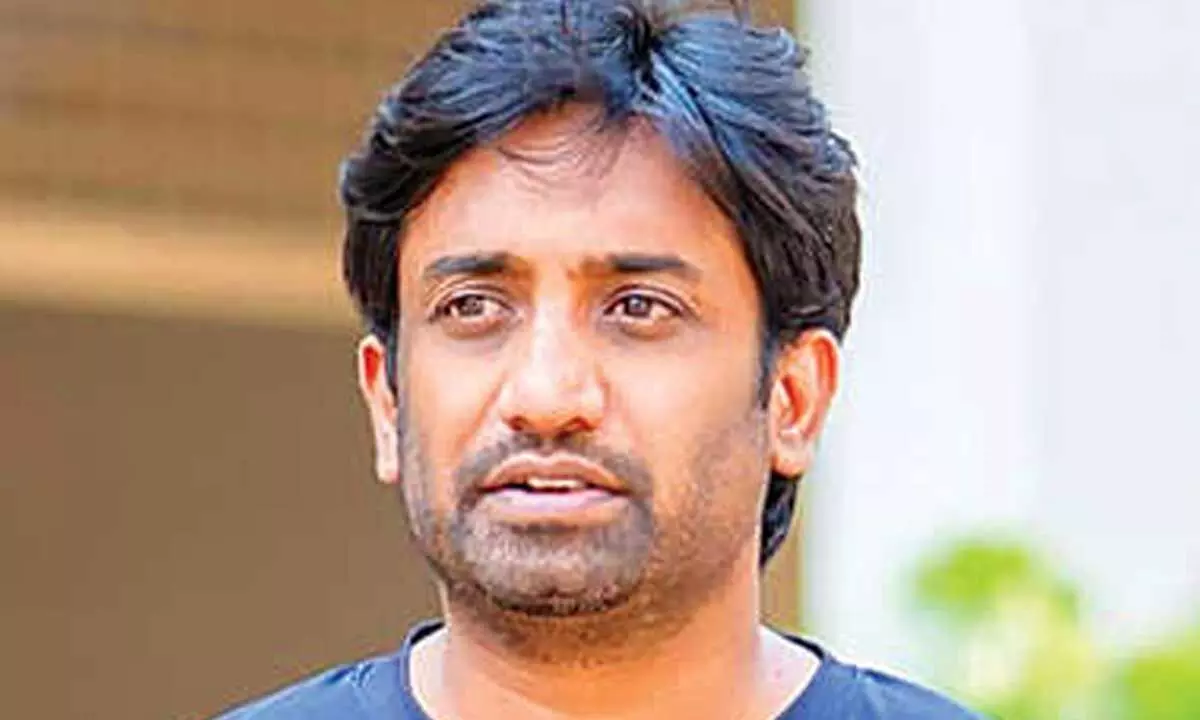
Vadaanya founder Ashok says despite rising enrolments, real-world skills remain in short supply
After years of interacting with students across colleges and universities, one pattern has become unmistakably clear, says Ashok Padapati, Founder of Vadaanya. “Most students are confident when discussing what they have studied but hesitate when asked how they would apply that knowledge in real-life situations.”
India, with one of the world’s youngest populations, produces millions of graduates every year. Access to education has expanded significantly, classrooms are full, and degrees are more attainable than ever. Yet employers across sectors—technology, healthcare, manufacturing, finance, and services—continue to voice a shared concern: many graduates are still not fully prepared for the demands of the workplace.
This gap, Padapati stresses, has little to do with intelligence or effort. The India Skills Report 2025 reveals that only slightly over half of Indian graduates are considered employable. The challenge lies in an education system that has traditionally prioritised theoretical learning, while practical exposure and real-world application remain limited. Students often understand concepts well, but lack experience in solving real problems, working in professional environments, or making decisions under practical constraints.
“I’ve met engineering students who can explain formulas flawlessly but have never built or tested a real system,” Padapati notes. “Commerce students know market theory yet have never dealt with an actual customer or business challenge. When they step into the workplace, the gap becomes overwhelming.”
Today’s employers are not just seeking technical competence. They want graduates who can adapt quickly, communicate effectively, solve problems, and continue learning. Among these, communication consistently emerges as a critical weakness. Multiple assessments show that while communication is one of the most in-demand skills, only about half of graduates demonstrate adequate proficiency.
“Students often have good ideas but struggle to express them,” Padapati explains. “That affects interviews, teamwork, and confidence at work.” Communication, he adds, goes beyond language fluency. It includes clarity of thought, listening skills, collaboration, and the ability to present ideas with confidence. Institutions that succeed in developing these skills embed them into everyday learning through presentations, group discussions, writing tasks, and peer feedback—rather than treating communication as a standalone subject. Experiential learning is another vital component of job readiness. Internships, live projects, and community-based assignments help students connect theory with practice. Research by academic institutions and organisations such as the International Labour Organization shows that structured internships, supported by clear responsibilities and mentorship, significantly improve employability. “I’ve seen students transform after a meaningful internship,” Padapati reflects. “They return with confidence—not because they memorised something new, but because they finally understand how work actually happens.”
However, many internships are still treated as formalities rather than genuine learning opportunities. To create real impact, practical exposure must be integrated into curricula from an early stage and sustained throughout a student’s education. Projects involving real challenges, teamwork, and accountability help students develop judgement, adaptability, and confidence.
Engineering education, in particular, stands at a critical juncture. While India produces a large number of engineering graduates each year and employability levels have improved, outcomes vary widely depending on institutional approach and industry exposure.
“Industries are evolving rapidly, but classrooms are changing far more slowly,” Padapati observes. “Engineering education must move closer to problem-solving, experimentation, and collaboration.” Some institutions are already leading this shift by introducing industry-linked projects, innovation labs, design thinking, and interdisciplinary learning. The rise of artificial intelligence further underscores the need for change. While demand for AI-related skills is expected to grow, Padapati believes not every student needs to become an AI specialist.
“What students really need is awareness—how technology impacts their field, where it adds value, and where human judgement still matters,” he says. Above all, adaptability is the most important skill. Careers today are no longer linear or fixed. Roles, tools, and industries continue to evolve, making lifelong learning essential.
“When students work on real problems, fail, rethink, and try again, they build resilience,” Padapati explains. “That ability stays with them long after specific tools become outdated.”
While educational institutions play a central role in this transformation, they cannot act alone. Employers, professional bodies, and community organisations also have a responsibility, particularly in supporting students from economically disadvantaged backgrounds.
“Talent exists everywhere. Opportunity does not,” he emphasises. Through initiatives such as the Vadaanya Foundation, students facing financial barriers receive not only scholarships but also mentorship and career guidance. Over the years, such support has helped many capable students continue their education and make informed career choices. These efforts complement institutional education by ensuring that financial constraints do not limit potential. “Education works best when learning, guidance, and support come together,” Padapati adds. The way forward does not require radical disruption. Colleges can begin by embedding practical projects into coursework, strengthening industry partnerships, making internships meaningful, and evaluating students on real capability rather than rote memory. India’s demographic advantage—with a large proportion of the population under 35 - presents a powerful opportunity. Whether this translates into long-term economic and social gains will depend on how effectively education aligns with skills and real-world application. “We don’t need to wait for change,” Padapati concludes. “Every institution can start today. When we invest in skills, we invest in the future of our youth—and the future of the country.”