Driving India’s Energy Transition: Trends to Watch in 2026

Discover 2026's pivotal trends in India's clean energy shift: EV policy momentum, battery innovations like sodium-ion, urban adoption, and distributed storage for a greener future.
2026 is emerging as one of the most important years for India’s clean-energy journey. The progress made in 2025, especially in electric mobility and battery manufacturing, has created a strong foundation. Across my conversations with OEMs, policymakers and energy innovators, there is a clear shift in mindset. India is moving from experimenting to scaling.
This is why 2026 matters. It is the year when ideas will turn into industries, and pilot projects will start becoming mainstream.
1. Policy Momentum Will Strengthen the EV and Energy Storage Connection
One of the biggest shifts I have observed this year is the growing seriousness around battery circularity, including recycling, reuse, and responsible end-of-life processes. The policies introduced in 2025 have set the direction, and in 2026, we can expect this thinking to deepen.
In real terms, this means a stronger push to manufacture more battery components in India
• Stricter requirements for collecting, reusing, and recycling batteries
• Support for research on next-generation chemistries such as sodium-ion and improved versions of LFP
This is encouraging because India cannot build a strong EV manufacturing base with imported materials alone. Clearer and long-term policy direction in 2026 will help companies invest confidently.
2. Battery Technology Will Shift from Incremental to Transformational
This is the part of the market I follow most closely, and it is also where I see the most exciting breakthroughs. Battery innovation in India is moving beyond small efficiency gains and entering a phase of genuine capability improvements. Three developments stand out:
• Gigafactory projects are finally progressing on the ground. Local cell manufacturing is improving, which will directly influence safety, cost, and performance for mass-market EVs.
• Recycling and second-life applications are evolving quickly in India, with early commercial pilots demonstrating potential for material recovery and cost benefits.
• New chemistry is becoming a practical alternative. Sodium-ion, for example, is promising for cost-sensitive mobility and large energy-storage systems.
Overall, India’s battery sector is becoming more confident and more self-reliant.
3. Cities Will Lead the Next Phase of EV Adoption
Urban mobility is changing rapidly. Discussions with fleet operators, delivery platforms, and city planners have shifted. The focus is no longer on whether electrification is viable. The question now is how quickly the transition can happen.
In 2026, we can expect:
• Rapid electrification of three-wheelers, driven by strong economic logic
• Wider adoption of battery swapping in delivery fleets and shared mobility
• Better integration of micro-mobility and public transport to reduce congestion and emissions
All of this depends on reliable and modular battery systems that can keep up with the demands of Indian cities.
4. Distributed Energy Storage Will Become a Core Part of India’s Power System
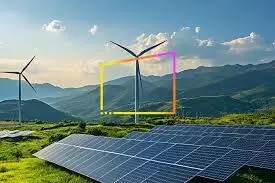
Another meaningful shift is the rise of distributed storage. Batteries paired with rooftop solar, industrial facilities, rural grids, and commercial buildings will quietly reshape how India produces and consumes clean energy.
As renewable capacity continues to grow, energy storage will help stabilize the grid, reduce outages and enable round-the-clock clean power. In 2026, these systems are likely to become standard infrastructure rather than isolated projects.
A Greener 2026 Is Within Reach
If there is one belief I hold strongly, it is that 2025 gave us momentum, but 2026 must give us clear direction.
For India to lead in clean mobility and energy storage, we must stay focused on:
• Policies that support long-term innovation
• Greater localisation of critical components
• Stronger accountability around battery lifecycles
• Research and incentives for advanced chemistries and recycling
We feel optimistic because the industry and the government are more aligned than ever before. With continued collaboration and support under Make in India, India can emerge as a global force in battery manufacturing, clean mobility, and sustainable energy infrastructure.
2026 is not simply another year. It is an opportunity to build an energy-secure and climate-responsible future and to move closer to the vision of a truly Viksit Bharat.
(This Article is attributed to Mr. Samrath Jit Singh, Founder and CEO at Trontek)