How Buyers Compare Hyundai Creta and Tata Nexon Before Choosing an SUV

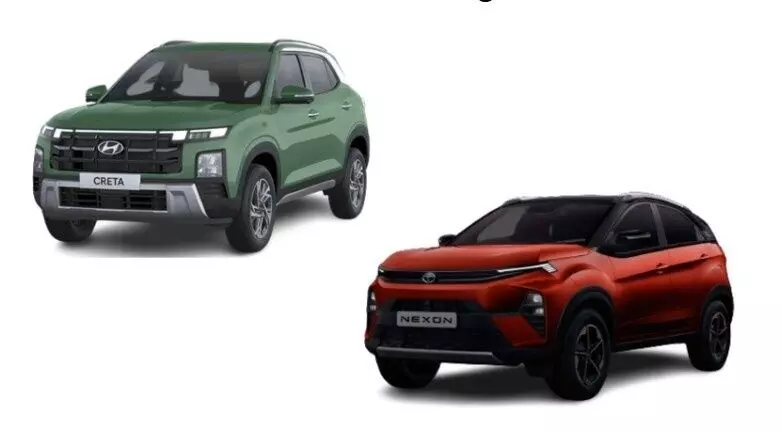
A structured look at how buyers compare the Hyundai Creta and Tata Nexon, evaluating safety, space, technology, ownership costs, and real-world usage.
Choosing an SUV in today’s market involves more than selecting a brand or body style. Buyers increasingly compare vehicles across multiple dimensions before making a decision. The Hyundai Creta and Tata Nexon often appear on shortlists, but they belong to different segments and appeal to slightly different priorities. Understanding how buyers evaluate these two models reveals how decision-making in the SUV category has evolved.
Rather than relying on perception alone, buyers now follow a structured comparison process that weighs practicality, safety, ownership costs, and everyday usability.
Step One: Understanding Segment Differences
The first comparison most buyers make is size and segment positioning. The Hyundai Creta operates in the mid-size SUV category, offering greater cabin space and a longer wheelbase. This typically appeals to buyers seeking a primary family vehicle with more interior room.
The Tata Nexon, positioned in the compact SUV category, offers easier manoeuvrability and city-friendly proportions. Buyers upgrading from hatchbacks often see the Nexon as a logical step into SUV ownership without moving into a larger footprint.
This initial segmentation often narrows the field depending on lifestyle requirements.
Step Two: Safety as a Decision Driver
Safety has become a central comparison point across SUV segments. Buyers now examine crash-test ratings, airbag coverage, and driver assistance features before proceeding further.
The Tata Nexon’s strong crash-test performance has shaped its safety-led identity, appealing to buyers who prioritise structural protection. The Hyundai Creta, meanwhile, integrates advanced driver assistance systems (ADAS), which attract buyers seeking active safety and highway convenience features.
For many buyers, safety is no longer an optional upgrade but a baseline requirement.
Step Three: Evaluating Technology and Comfort
Technology plays a significant role in how buyers compare these two models. The Creta’s integrated digital displays, connected features, and premium audio system position it as a more refined mid-size offering. The Nexon counters with a well-equipped infotainment system, digital instrumentation, and connected vehicle technology within a compact format.
Comfort also influences comparison. Buyers assess seating space, rear passenger legroom, and overall cabin ambience. The Creta’s larger footprint typically translates into more rear-seat space, whereas the Nexon’s layout prioritises practicality within compact dimensions.
The importance of these factors depends on whether buyers prioritise family space or daily urban convenience.
Step Four: Powertrain and Usage Patterns
Buyers also compare engine options and fuel flexibility. The Hyundai Creta offers petrol, diesel, and turbocharged variants with manual and automatic transmission choices. The Tata Nexon provides turbo petrol, diesel, and CNG options, catering to buyers with cost-conscious priorities.
Usage patterns influence this decision. Buyers covering long highway distances may prioritise diesel torque or turbocharged performance. Those driving primarily within cities may favour efficiency and manageable running costs.
Rather than focusing solely on horsepower, buyers increasingly align powertrain choices with real-world usage.
Step Five: Ownership Costs and Resale Confidence
Long-term value has become a critical comparison factor. Buyers evaluate:
- Maintenance expectations
- Service network accessibility
- Fuel efficiency
- Resale reputation
The Creta benefits from strong brand recall and an established mid-size presence, while the Nexon’s safety credentials and compact appeal support long-term demand in the used market.
Financial predictability often carries as much weight as design preference.
Step Six: Research Before Visiting Dealerships
Modern SUV buyers rarely rely on showroom visits as their first step. Instead, they conduct extensive online research to clarify differences before shortlisting.
On platforms such as ACKO Drive, buyers can explore specifications, compare variants, and review expert insights while even buying cars online. This structured comparison process allows buyers to assess whether the Hyundai Creta’s mid-size advantages justify its positioning, or whether the Tata Nexon’s compact efficiency better aligns with their needs.
Digital research has made the evaluation process more analytical and less impulse-driven.
A Matter of Fit, Not Superiority
Ultimately, buyers comparing the Hyundai Creta and Tata Nexon are not necessarily choosing between “better” or “worse.” They are choosing between two different interpretations of SUV ownership.
- The Creta appeals to those prioritising space, refinement, and advanced driver assistance in a mid-size format.
- The Nexon attracts buyers valuing safety credentials, compact convenience, and flexible powertrain options.
The right choice depends on how closely a vehicle fits the buyer’s daily requirements and long-term plans.
Conclusion
The comparison between the Hyundai Creta and Tata Nexon reflects how structured and informed SUV buying has become. Buyers evaluate size, safety, comfort, technology, powertrain options, and ownership costs in a layered decision-making process.
In a diversified SUV market, alignment matters more than headline superiority. Whether opting for the spacious refinement of the Creta or the compact safety-led practicality of the Nexon, buyers are increasingly guided by how well each model fits their specific lifestyle and driving patterns.