Increase in polymer prices pushes construction industry into uncertainty

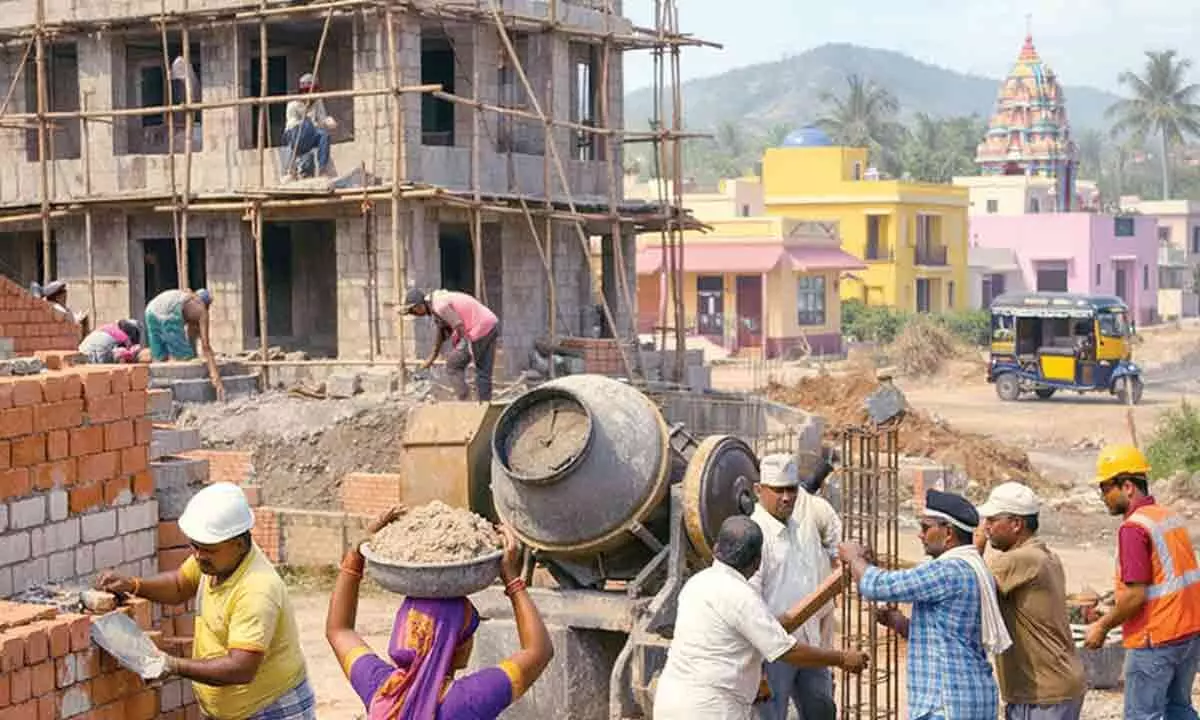
Tirupati: The construction and real estate sectors are witnessing fresh turbulence as a sudden surge in the prices of key raw materials has significantly increased project costs, raising alarm among builders, manufacturers and traders nationwide. Industry stakeholders warn that if immediate corrective steps are not taken, the ongoing price escalation could slow down construction activity and affect employment linked to the sector.
Over the past few weeks, prices of essential construction inputs — particularly polymer-based materials — have risen steeply, disrupting market stability. Materials such as PVC, PP, PE, HDPE and LLDPE, widely used in pipes, fittings and plastic construction components, have recorded sharp increases within a short span.
Market sources indicate that polymer prices have jumped between Rs 25,000 and Rs 35,000 per metric tonne in just nine to ten days, placing unexpected financial pressure on downstream industries.
Data from trade circles shows that since early March, polypropylene (PP) prices alone have climbed by nearly Rs 35,000 per MT, while HDPE and LLDPE registered increases of around Rs 33,500 per MT. LDPE grades have also witnessed hikes ranging between Rs 25,000 and Rs 28,500 per MT. PVC prices, a critical input for construction and infrastructure projects, have risen by approximately Rs 25,000 per tonne in recent days.
Adding to the burden, petrochemical major Reliance Industries Limited reportedly implemented an additional Rs 6,000 per tonne increase in PVC prices effective March 16, further intensifying cost pressures.
Industry experts attribute the sharp price movement partly to global uncertainties, including ongoing tensions in West Asia, which have disrupted supply chains and influenced petrochemical markets. Domestic factors have also worsened the situation. Gas shortages in Gujarat’s Morbi region — a major tile manufacturing hub — have reportedly forced several production units to suspend operations, tightening supply and pushing up tile prices.
The impact is not limited to polymers alone. Prices of copper wires and electrical components used in housing projects have increased by nearly 20 percent, while steel rates, freight charges and other construction-related expenses are also trending upward. Builders say these combined increases are driving overall housing construction costs higher, making new homes less affordable for buyers and creating financial strain for small developers.
Market volatility has begun affecting manufacturing operations as well. Producers of pump sets, motors, HD pipes and agricultural plastic equipment are reportedly hesitant to accept fresh orders due to unpredictable raw material costs. Frequent price revisions have made production planning difficult, forcing some companies to delay business commitments — a trend that could soon impact both agricultural and infrastructure sectors.
Business associations, including traders from Tirupati, have urged the Centre to intervene and stabilise market conditions. Former president of the Tirupati Chamber of Commerce A Manjunath expressed the need for scrutiny of pricing practices, restoration of gas supply to Morbi’s tile units, monitoring of steel and copper pricing, and measures to ease transportation costs.
He felt that continued price escalation could weaken the real estate ecosystem, potentially leading to job losses and reduced tax revenues for governments. With construction serving as a major driver of economic activity and employment, industry bodies are calling for urgent policy action to prevent further disruption and restore market confidence.