Assigned lands amendment bill cleared in both Houses

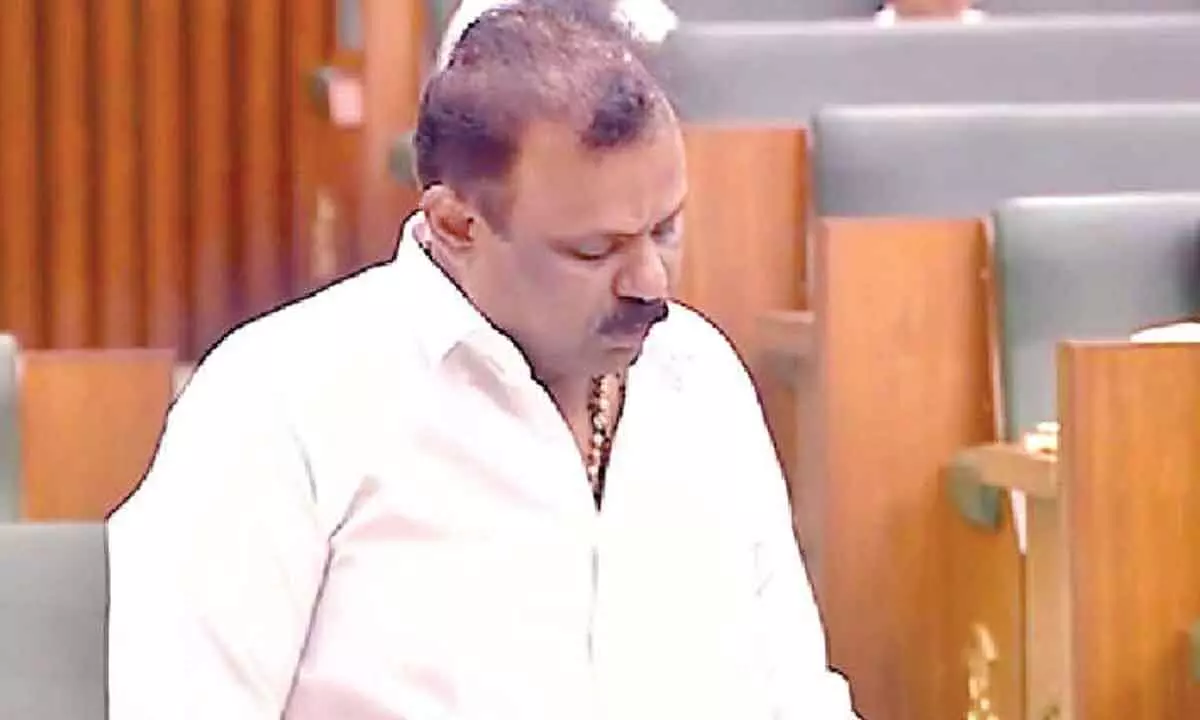
Vijayawada: Revenue, registrations and stamps minister Anagani Satya Prasad informed the Assembly that as of February 10, 2026, a total of 32,970 revenue cases are pending across the state.
He said that after the coalition government assumed office, the number of newly registered cases has significantly declined due to corrective administrative measures.
To expedite disposal of High Court cases, liaison officers have been appointed at the district level. Under the leadership of district collectors, dedicated legal cells have been formed to ensure faster resolution of court matters. The revenue department is also effectively utilising the Andhra Pradesh online litigation case management system portal, which has improved coordination between district officials and government pleaders, enabling many disputes to be resolved at an early stage.
The minister cautioned that irregularities in land dispute cases will not be tolerated. Strict action will be taken against any liaison officers found colluding in cases. He said action has already been initiated against certain officials who manipulated land records and assured that further measures would be taken to strengthen court case management.
Meanwhile, the Legislative Council approved amendments to the Assigned Lands Act, following clearance by the Assembly last week. The amendment allows allocation of assigned lands to clean energy companies on a lease basis.
The Minister said the reform aims to promote renewable energy projects, including green hydrogen and green ammonia initiatives, attracting investments worth Rs 10 lakh crore and generating employment for nearly 7.5 lakh youth. Assigned lands will be leased only with the full consent of beneficiaries, ensuring them a net annual income of Rs 31,000 per acre, with a five percent increase every two years.
He added that expanding clean energy capacity will reduce power generation costs and help lower electricity tariffs further, after a recent reduction of 13 paise per unit. The reform also supports the State’s Swarna Andhra 2047 vision of achieving net-zero carbon emissions while accelerating economic growth and employment generation.