Work-integrated learning: Building a future-ready through skills and experience

Education must do more than prepare students about the world of work — it must prepare them for it
For decades, India’s education system has prepared students about the world of work, not for it. The traditional path of completing school, earning a degree, and then hoping to find a job is proving increasingly out of date in a fast changing economy. Industry data paints a clear picture, while millions of students graduate every year, fewer come out as employable.
The gap that must be closed
According to the India Skills Report 2025, the country’s graduate employability rate currently stands at 54.8 percent. In some technical and vocational streams, the numbers are even lower. Meanwhile, about 75 percent of employers now turn apprentices into full time roles, showing the growing success of work based learning models. In other words, while academic credentials still matter, employers are prioritising hands on experience, adaptability and problem solving skills more than ever before. The mismatch between education and work has become one of the key challenges of India’s young population. And around the world, countries that are leading the way, from Germany to Singapore, are those that weave vocational and work integrated learning directly into their school to career pathways.
Why work integrated and vocational learning must take centre stage
1. Industry demands job ready talent
Employers are increasingly looking for people who can hit the ground running. The ‘learn for four years, then work it out’ model no longer works. Work integrated approaches, from internships and apprenticeships to live industry projects, are closing this gap by turning education into a launch pad for careers. As highlighted by QS Quacquarelli Symonds and NSN analyses, India’s education ecosystem must move from knowledge centric to being career centric.
2. Vocational education builds inclusivity
Vocational education is no longer a second class option; it’s a parallel and vital pathway to employability. India currently has more than 14,000 Industrial Training Institutes ITIs and 127 vocational awarding bodies, yet just 4.1 percent of people aged between 15 - 59 have had formal vocational training. With focused investment and social acceptance, vocational learning could open up opportunities for millions, especially in tier 2 and tier 3 cities, where hands-on skills can help boost regional growth and jobs. Work integrated models deliver real outcomes Apprenticeship trends prove their worth. The India Employer Forum reports that sectors such as hospitality and manufacturing have seen a Net Apprenticeship Outlook of nearly 79 percent, and more than three quarters of apprentices are taken on into permanent roles.
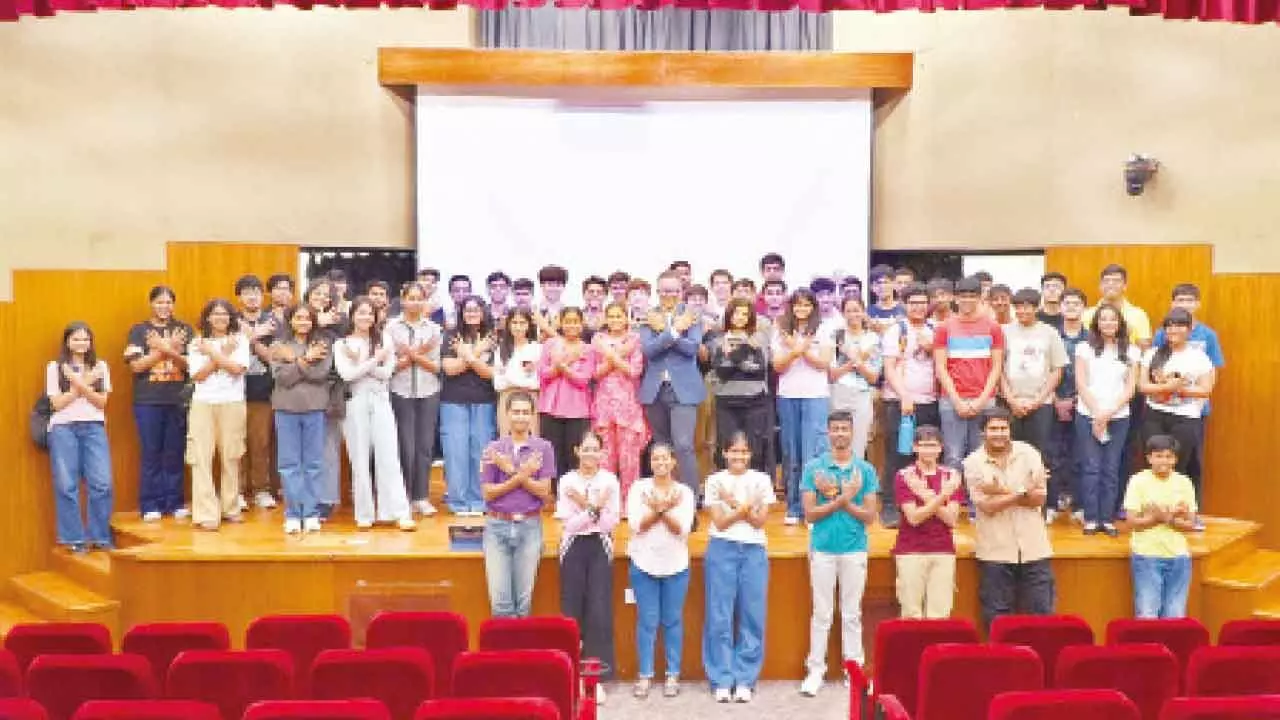
The message is loud and clear: when students are exposed to real world environments, both they and the employers benefit. An example from the field IIT Delhi s practical learning initiative A recent training session hosted at the IIT Delhi campus for students aged 14-17 years showed how early exposure to experiential learning can prepare students for what is to come. The workshop focused on problem solving, product prototyping and business ideas, giving participants the chance to work directly on real world challenges under the guidance of industry mentors.
Bridging gender, geography and the “missing millions”
The skilling ecosystem must now expand its focus beyond metros and elite institutions.
l Women learners: About 44 percent of employers plan to increase women’s participation in apprenticeship programmes at this year’s India employer forum.
l Tier 2 and tier 3 cities: These regions have untapped potential but need flexible, locally integrated training models.
Alternative pathways:
Short format vocational modules and microcredentials offer quicker, cost effective routes to meaningful employment or entrepreneurship, especially for youth who cannot commit to long duration degree programmes. Programmes should be co-created with employers, using live projects, internships and mentorship. Curriculums must be aligned with actual job roles and changing skill needs rather than static syllabi.Institutions should track employability, internship conversions and entrepreneurial ventures to measure real impact.
Why now the cost of delay:
India’s demographic advantage depends on turning its young population into a job ready workforce. With industries being reshaped by AI, automation and sustainability, the skills gap is widening faster than traditional education can adapt. The Union Budget 2024-25, which allocated Rs 1.48 lakh crore for education, employment and skilling, signals government awareness of this urgency. The national conversation has shifted, being ‘educated’ is no longer enough; being ‘employable’ is what matters.
The way forward:
• For learners: Choose programmes that provide practical exposure and mentorship alongside theory.
• For training providers: Design industry aligned, inclusive pathways that empower women and youth beyond metros.
• For industry: Invest in apprenticeships and early career talent partnerships.
• For policymakers: Incentivise outcome driven training and prioritise skill quality over quantity.
Conclusion
The IIT Delhi experience is just one example of how work integrated learning can inspire a new generation to think, build and lead. When students move seamlessly from school to hands-on environments, they begin to see themselves not just as learners but as problem solvers. Vocational and work integrated learning are not alternatives, they are the future. The faster India embraces this frontier, the sooner it will unlock its full potential, a confident, skilled and employable generation ready to power the country’s next decade of growth. The author is Founder, Gaurav Bhagat Academy.